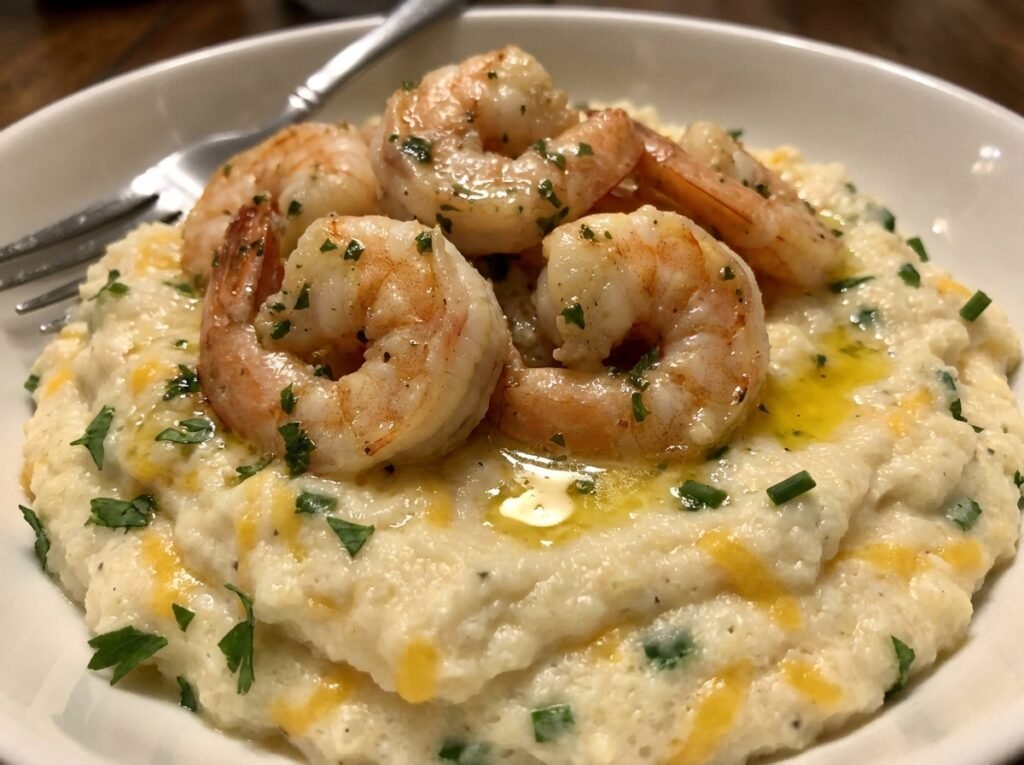
Keto shrimp and grits with cauliflower is a low-carbohydrate version of the classic Southern comfort dish that replaces traditional cornmeal grits with creamy cauliflower rice. This keto-friendly adaptation delivers the same rich, satisfying flavors you crave while keeping net carbs under 8 grams per serving. The plump, buttery shrimp sit atop a velvety cauliflower foundation infused with cheddar cheese and herbs, creating a restaurant-quality meal in under thirty minutes. This dish proves that eating keto doesn’t mean sacrificing beloved classics or complex flavor profiles.
| Prep Time | 12 minutes |
| Cook Time | 15 minutes |
| Total Time | 27 minutes |
| Servings | 4 servings |
| Difficulty | Easy to Intermediate |
| Cuisine | Southern American, Low-Carb |
Why This Recipe Works
Keto shrimp and grits with cauliflower succeeds because it addresses the core challenge of low-carb cooking: replacing high-carb ingredients without sacrificing texture or satisfaction. Traditional grits contain roughly 24 grams of carbs per serving, while cauliflower rice delivers the same creamy mouthfeel with less than 2 grams. I discovered this substitution while meal prepping for a 30-day keto challenge, and it immediately became my go-to comfort food.
The beauty of this dish lies in layering complementary flavors rather than depending on a single star ingredient. Shrimp cooks in minutes, keeping the protein tender and succulent. Cauliflower rice, when simmered in heavy cream and chicken broth, transforms into something entirely different from raw or steamed versions, developing a naturally rich consistency. The addition of aged cheddar cheese creates umami depth that makes your palate forget this meal is actually low-carb.
Texture contrast matters more on a keto diet than many realize, since limited carbohydrate sources mean every component must earn its place on the plate. The shrimp provides a delicate, slightly firm bite that contrasts beautifully against the velvety cauliflower foundation. Fresh herbs and a squeeze of lemon juice prevent the entire dish from feeling heavy or monotonous.
This recipe works because it respects both traditional Southern cooking techniques and modern nutritional science. You’re not making a fake version of something better; you’re creating a completely valid dish that happens to fit keto macronutrients. The result satisfies hunger, fits your nutrition plan, and tastes genuinely delicious.
Ingredients
| Ingredient | Quantity | Notes |
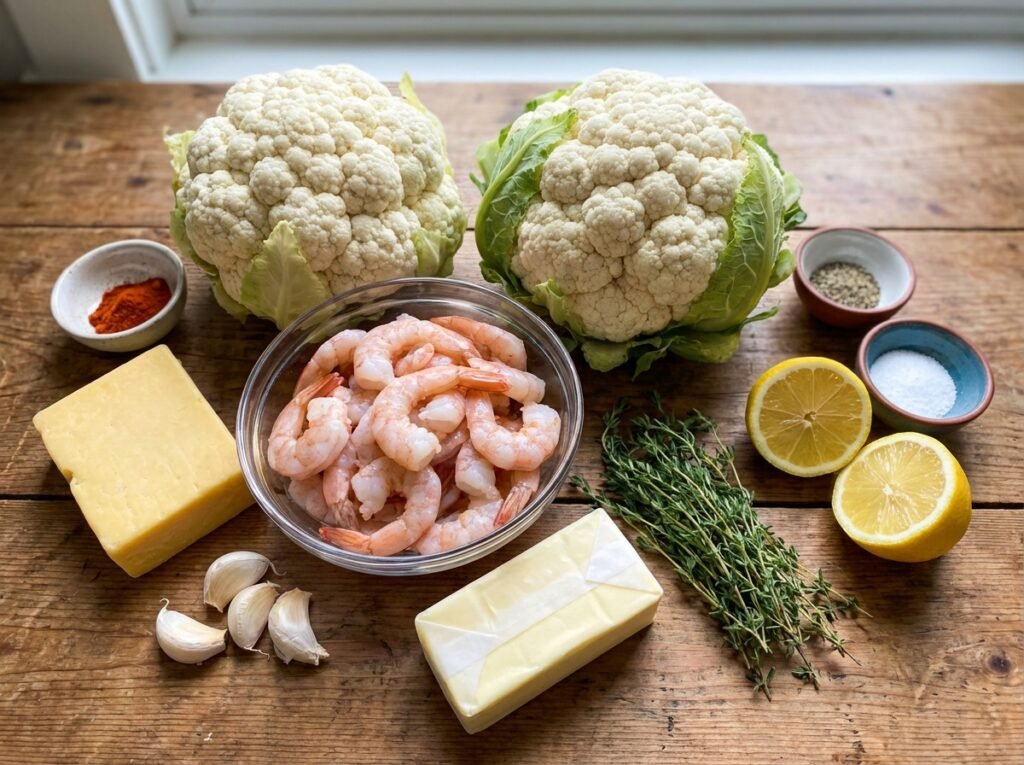
| Cauliflower rice | 4 cups (riced) | Fresh riced cauliflower or frozen (thawed). Alternatively, pulse fresh cauliflower florets in a food processor. |
| Butter | 5 tablespoons (divided) | Grass-fed butter preferred. Ghee works as a substitute with identical results. |
| Heavy cream | 1 cup | Full-fat only. Half-and-half reduces richness significantly. |
| Chicken broth | 1 cup | Low-sodium preferred. Vegetable broth acceptable but less flavorful. |
| Sharp cheddar cheese | 1 cup shredded | Aged cheddar preferred for complexity. Gruyère or Fontina offer different flavor profiles. |
| Large shrimp | 1.5 pounds (21-25 count) | Wild-caught preferred. Peeled and deveined, tail removed. |
| Garlic cloves | 4 cloves (minced) | Fresh minced or 1 teaspoon garlic powder. |
| Fresh thyme | 1 teaspoon (chopped) | Dried thyme acceptable at 1/3 teaspoon. |
| Sea salt | 1 teaspoon | Adjust to taste. Himalayan pink salt adds subtle mineral notes. |
| Black pepper | 1/2 teaspoon (ground) | Fresh-cracked preferred for superior flavor. |
| Lemon juice | 2 tablespoons | Fresh squeezed. Bottled juice acceptable but less acidic. |
| Paprika (smoked) | 1/4 teaspoon | Optional but recommended for depth. Regular paprika works too. |
| Green onions | 2 stalks (sliced) | Fresh garnish. Chives offer similar onion flavor if unavailable. |
Step-by-Step Instructions
Preparing the Cauliflower Base
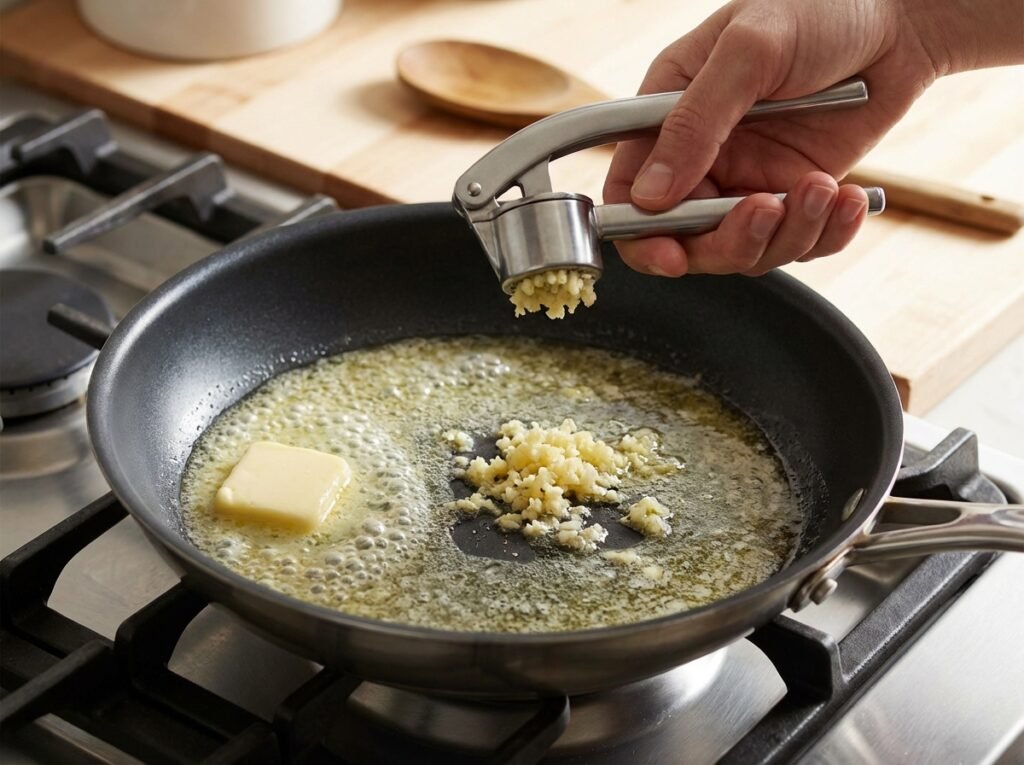
Step 1: Melt butter and sauté aromatics. Heat 3 tablespoons butter in a large skillet over medium heat until foaming. Add minced garlic and fresh thyme, stirring constantly for 1 minute until fragrant. This blooms the garlic flavors and prevents them from tasting raw in the finished dish.
Step 2: Add cauliflower rice and broth. Pour in the riced cauliflower and chicken broth simultaneously, stirring well to combine. The cauliflower will initially look sparse in the liquid, but it absorbs the broth as it cooks. Cook uncovered for 8 to 10 minutes, stirring occasionally, until the cauliflower becomes very tender.
Step 3: Reduce heat and add cream. Lower the heat to medium-low and pour in the heavy cream, stirring constantly to distribute evenly. The mixture will thicken slightly as the cauliflower continues cooking. Stir for 2 minutes to ensure the cream fully incorporates.
Step 4: Fold in cheese and seasonings. Remove the skillet from heat and add the shredded cheddar cheese, 1/2 teaspoon salt, and 1/4 teaspoon black pepper. Stir vigorously until the cheese melts completely and creates a smooth, creamy sauce. Taste and adjust salt as needed, remembering the shrimp will contribute additional seasoning.
Cooking the Shrimp
Step 5: Heat a separate skillet for shrimp. While the cauliflower cooks, melt the remaining 2 tablespoons butter in a second large skillet over medium-high heat. The high heat ensures the shrimp develops a slight golden exterior while remaining tender inside.
Step 6: Season the shrimp. Pat the shrimp dry with paper towels to remove excess moisture. This prevents sticking and promotes better browning. Place shrimp in a bowl and toss with the remaining 1/2 teaspoon salt, 1/4 teaspoon pepper, and smoked paprika.
Step 7: Cook shrimp until opaque. Once the skillet butter is bubbling, add the seasoned shrimp in a single layer without crowding the pan. Cook for 2 to 3 minutes on the first side until the underside turns golden. Flip each shrimp and cook for an additional 1 to 2 minutes until the shrimp are fully opaque and firm to the touch. Avoid overcooking, as shrimp becomes rubbery quickly.
Step 8: Finish shrimp with lemon juice. Remove the skillet from heat and squeeze fresh lemon juice over the shrimp, tossing gently to coat. This adds brightness and prevents the richness from feeling heavy.
Plating and Final Assembly
Step 9: Spoon cauliflower onto serving bowls. Divide the creamy cauliflower mixture among four serving bowls or plates, spooning it evenly across each dish. Use the back of a spoon to gently flatten the cauliflower into a bed-like shape.
Step 10: Top with shrimp and garnish. Arrange the lemon-butter shrimp on top of each cauliflower portion, distributing them evenly across all servings. Drizzle any remaining pan juices over the shrimp and cauliflower. Garnish each bowl with sliced green onions for color and fresh onion notes.
Step 11: Serve immediately. Keto shrimp and grits tastes best when served hot, so plate and serve right away. The cauliflower base remains silky and the shrimp stays tender when consumed immediately after cooking.
Chef Tips for Perfect Results
- Dry your shrimp thoroughly. Moisture is the enemy of browning. Pat shrimp with paper towels immediately before cooking, even if they seem dry already. This creates a golden crust that tastes infinitely better than steamed shrimp.
- Don’t crowd the shrimp pan. Cook in two batches if necessary to maintain adequate space between each shrimp. Crowding causes steam to form instead of heat, resulting in pale, boiled-tasting shrimp rather than nicely seared ones.
- Use fresh garlic whenever possible. Pre-minced garlic loses potency quickly, and jarred versions taste slightly bitter when heated. Fresh garlic takes 30 seconds to mince and transforms the entire flavor profile.
- Taste the cauliflower base before serving. Since people’s salt tolerance varies, always do a final taste check. You can always add more seasoning, but you cannot remove it. Start conservatively and adjust upward.
- Buy frozen riced cauliflower for convenience. Pulse-ricing fresh cauliflower creates a grittier texture than commercially frozen versions. If using fresh, pulse fewer times for a slightly chunkier result that mimics traditional grits more closely.
- Reserve some pan juices for finishing. Don’t pour every bit of lemon-butter into the plate immediately. Save a tablespoon or two to drizzle over the top just before eating, adding extra richness and visual appeal.
Common Mistakes to Avoid
Mistake 1: Using frozen cauliflower without thawing. Frozen cauliflower contains excess moisture that makes the final dish watery rather than creamy. Thaw it completely and pat dry before cooking. The water release happens as you cook, so if you add frozen cauliflower, you’re essentially adding an entire extra cup of liquid to your recipe.
Mistake 2: Cooking shrimp too long. Overcooked shrimp become rubbery and lose their tender texture entirely. Cook only until the shrimp are fully opaque and firm, which happens in 3 to 5 minutes total depending on size. When in doubt, remove them 30 seconds early because they continue cooking from residual heat.
Mistake 3: Not adjusting salt levels. Many recipes call for specific salt amounts, but this depends on your broth’s sodium content and personal preference. Tasting throughout the cooking process ensures you catch under-seasoning before plating, while aggressive final seasoning can save a bland dish.
Mistake 4: Skipping the lemon juice. Acid brightens rich, creamy dishes by breaking up heavy mouthfeel and refreshing your palate between bites. Without lemon juice or fresh herbs, the shrimp and grits becomes one-dimensional despite excellent ingredients.
Mistake 5: Using low-fat dairy products. Half-and-half instead of heavy cream creates a thinner sauce that lacks the restaurant-quality velvety texture. Low-fat cream cheese or sour cream introduces unnecessary additives and produces a grainy consistency. Commit to full-fat products for superior results.
Mistake 6: Not drying the shrimp before cooking. Moisture prevents browning through a process called the Leidenfrost effect. Wet shrimp steams rather than sears, resulting in pale, boiled-tasting protein instead of caramelized exterior and tender interior.
Variations and Substitutions
| Original Ingredient | Substitution | Impact on Flavor |
| Sharp cheddar | Gruyère or Fontina | More nutty and complex. Fontina adds subtle earthiness. Use same quantity. |
| Heavy cream | Bone broth (reduce other broth by 1/2 cup) | Lighter body but more savory. Results in firmer grits base. Adds collagen benefits. |
| Chicken broth | Shrimp or seafood stock | Stronger seafood notes that complement the shrimp beautifully. Use same quantity. |
| Cauliflower rice | Celery root puree or turnip puree | Earthier flavor. Turnip adds subtle sweetness. Use 2 cups puree instead of 4 cups rice. |
| Fresh thyme | Fresh tarragon or oregano | Tarragon adds slight anise notes. Oregano brings Mediterranean character. Use 1/2 teaspoon. |
| Lemon juice | Fresh lime juice or apple cider vinegar | Lime brings tropical brightness. Vinegar adds subtle depth. Use 1.5 tablespoons apple cider vinegar. |
| Large shrimp | Scallops or firm white fish cubes | Scallops cook in 2 minutes per side. White fish offers milder flavor. Both work beautifully. |
Serving Suggestions and Pairings
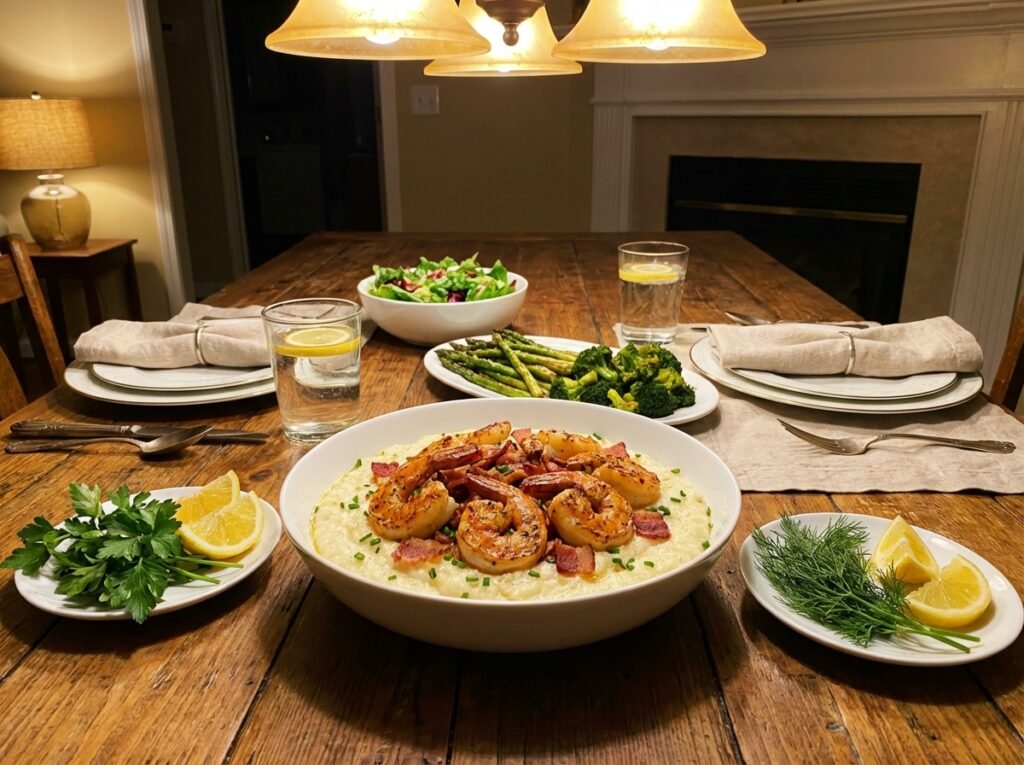
Serve keto shrimp and grits as a centerpiece protein dish on weeknight dinners, date nights at home, or special occasion meals. The elegant presentation and restaurant-quality flavors make this dish appropriate for impressing guests while keeping you on your keto macros.
Pair with a fresh green salad dressed in olive oil and vinegar to balance the richness of the cream sauce. The acidic dressing complements the buttery cauliflower perfectly. Alternatively, serve alongside steamed asparagus or roasted Brussels sprouts for additional vegetables that won’t impact your carb count significantly.
For special occasions, plate in small white bowls with a sprinkle of fresh microgreens on top for visual sophistication. Serve immediately from the kitchen to ensure hot temperatures and optimal texture. Consider pairing with a dry white wine like Sauvignon Blanc or Pinot Grigio if alcohol fits your preferences, though the dish stands alone without beverages.
Make this recipe your go-to meal for meal prep, though storage considerations apply. Divide leftovers into individual containers and refrigerate for up to three days. This dish works beautifully as a lunch option when reheated gently over low heat with a splash of additional cream to refresh the sauce consistency.
Serve for brunch-style dinners paired with a simple egg salad or soft-boiled eggs for additional protein. The Southern comfort food nature of shrimp and grits makes it appropriate for any meal, breaking traditional breakfast or dinner boundaries that don’t apply to keto eating.
Storage and Reheating
| Method | Storage Duration | Instructions |
| Refrigerator | 3 to 4 days | Store in airtight glass containers with lids. Divide into individual portions for convenient meal prep. Keep separate from other strong-smelling foods as shrimp develops odors. |
| Freezer | Up to 2 months | Freeze in single-layer portions in freezer bags or flat containers. The creamy sauce freezes better than shrimp alone. Label with date and contents. |
| Stovetop (refrigerated) | N/A | Heat in a saucepan over medium-low heat, stirring frequently. Add 2 to 3 tablespoons heavy cream to restore sauce consistency. Cook until heated through, about 5 to 7 minutes. |
| Microwave (refrigerated) | N/A | Heat in a microwave-safe bowl at 50% power for 2 to 3 minutes, stirring halfway through. Lower power prevents curdling the cream sauce. Stir before serving. |
| Stovetop (frozen) | N/A | Thaw overnight in refrigerator first for best results. If reheating from frozen, cook in a saucepan over low heat for 10 to 15 minutes, stirring occasionally. Add cream as needed. |
| Quality After Reheating | Best within first 2 days | Shrimp texture remains tender for up to 4 days but may become slightly firmer. The cauliflower grits maintain excellent consistency. Taste and adjust seasonings as refrigeration dulls flavors slightly. |
Nutritional Information
Approximate values per serving (based on 4 servings):
| Nutrient | Amount per Serving |
| Calories | 482 |
| Total Fat | 38 grams |
| Saturated Fat | 22 grams |
| Protein | 36 grams |
| Total Carbohydrates | 8 grams |
| Dietary Fiber | 2 grams |
| Net Carbohydrates | 6 grams |
| Sugar | 1 gram |
| Sodium | 1,042 milligrams |
| Cholesterol | 198 milligrams |
This macronutrient breakdown demonstrates why keto shrimp and grits with cauliflower succeeds for low-carb living. The dish delivers substantial protein for satiety while keeping net carbs below 10 grams, allowing flexibility for other meals and snacks. Fat content stays within optimal ketogenic ranges, supporting hormone production and nutrient absorption. Sodium levels come primarily from broth and cheese, so reduce salt if using high-sodium broth varieties.
Frequently Asked Questions
Can I make keto shrimp and grits without the cheese?
You can omit cheddar cheese entirely, but the dish loses significant flavor depth and richness. The cauliflower base becomes thinner and less luxurious without cheese contributing both texture and umami. If allergic to dairy, substitute with a dairy-free cheese alternative, though results won’t perfectly replicate traditional cheese-based versions. Nutritional yeast adds savory depth in small quantities, using 2 tablespoons as a partial replacement.
What size shrimp works best for this recipe?
Large shrimp (21-25 count per pound) provide the ideal balance of texture and presentation. Jumbo shrimp (16-20 count) work beautifully but cook slightly longer, approximately 3 to 4 minutes per side. Medium shrimp (31-40 count) cook faster at 1 to 2 minutes per side but result in less impressive plating. Avoid tiny shrimp or those labeled simply as large without count numbers, as they cook inconsistently.
How do I know when the shrimp are perfectly cooked?
Cooked shrimp turn fully opaque throughout with no translucent sections remaining. The tail end of each shrimp curls into a loose C shape rather than tightening into a tight O shape, which indicates overcooking. Press a shrimp gently with your finger; it should feel firm but not rubbery. If unsure, remove from heat 30 seconds early, as residual heat continues cooking them.
Can I prepare the cauliflower grits ahead of time?
The cauliflower grits base can be made completely 1 day ahead and refrigerated in an airtight container. Reheat gently over low heat with 2 to 3 tablespoons additional cream stirred in to restore sauce consistency. Cook the shrimp fresh immediately before serving for optimal texture and flavor. Combining pre-made grits with freshly cooked shrimp saves time while delivering restaurant-quality results.
Does this recipe work with frozen shrimp?
Frozen shrimp work beautifully if thawed properly by placing in the refrigerator overnight or running under cool water for 15 minutes. Pat completely dry before cooking, as frozen shrimp releases more moisture than fresh varieties. Use quality frozen shrimp from reputable brands without added salt or preservatives for best results. Flash-frozen shrimp often tastes superior to supermarket fresh options that were previously frozen and thawed.
What’s the best way to store leftover shrimp and grits?
Store in airtight glass containers in the refrigerator for up to 4 days. Divide into individual portions for convenient meal prep and faster reheating. Keep shrimp and grits together in the same container rather than separating components. Freeze for up to 2 months in flat freezer bags or containers for long-term storage. Always thaw frozen portions overnight in the refrigerator before reheating.
Can I use regular grits instead of cauliflower rice?
Traditional grits contain approximately 24 grams carbohydrates per serving compared to cauliflower rice’s 2 grams, meaning regular grits don’t fit standard keto macronutrients. If keto isn’t your dietary goal, traditional stone-ground cornmeal grits create a classic Southern dish. Cook grits according to package directions, usually requiring 30 to 40 minutes versus the 10 minutes for cauliflower rice.
What herbs pair well if I don’t have fresh thyme?
Fresh tarragon, oregano, or a combination of both work beautifully in this dish. Dried herbs are acceptable; use one-third the fresh quantity since dried herbs concentrate flavors. Fresh rosemary adds pine-like notes that complement seafood nicely, using 1/2 teaspoon. Avoid dried basil, as it turns bitter with prolonged heating. When substituting herbs, start conservatively and adjust to taste.
Is wild-caught shrimp necessary, or does farmed shrimp work?
Wild-caught shrimp offers superior flavor and contains fewer added preservatives, but high-quality farmed shrimp produces excellent results. Avoid shrimp treated with heavy preservatives or additives. Check ingredient labels; quality shrimp should list only shrimp with nothing added. Farmed shrimp typically costs less while maintaining acceptable taste profiles for this dish.
How can I make this recipe less rich or heavy?
Replace heavy cream with half-and-half and use chicken broth for the remaining liquid. Reduce butter from 5 tablespoons to 3 tablespoons for a lighter sauce. Decrease cheese from 1 cup to 3/4 cup to reduce fat content while maintaining adequate flavor. Add fresh lemon juice generously to brighten the overall mouthfeel and cut through richness. These adjustments reduce calories and fat while maintaining solid keto macronutrients.
Conclusion
Keto shrimp and grits with cauliflower delivers authentic Southern comfort food within strict low-carbohydrate guidelines, making this recipe an essential addition to your keto rotation. The creamy cauliflower base absorbs rich butter and cream flavors while providing the velvety texture that makes traditional grits so beloved. Fresh shrimp cooked until golden exterior and tender inside provides substantial protein that keeps you satisfied for hours. This dish proves that ketogenic eating doesn’t require sacrificing complex flavors, restaurant-quality presentations, or genuine satisfaction at the dinner table. Make this recipe your new weeknight favorite or special occasion centerpiece, knowing every delicious bite supports your nutritional goals.
Internal Links: Learn more about keto-friendly cauliflower alternatives | Explore Southern keto recipes | Discover low-carb seafood dinner ideas | Read our guide to keto meal prep strategies | Check out easy keto butter sauce recipes
External Authority Sources: Healthline – Nutritional Information | Food & Wine – Cooking Techniques
Print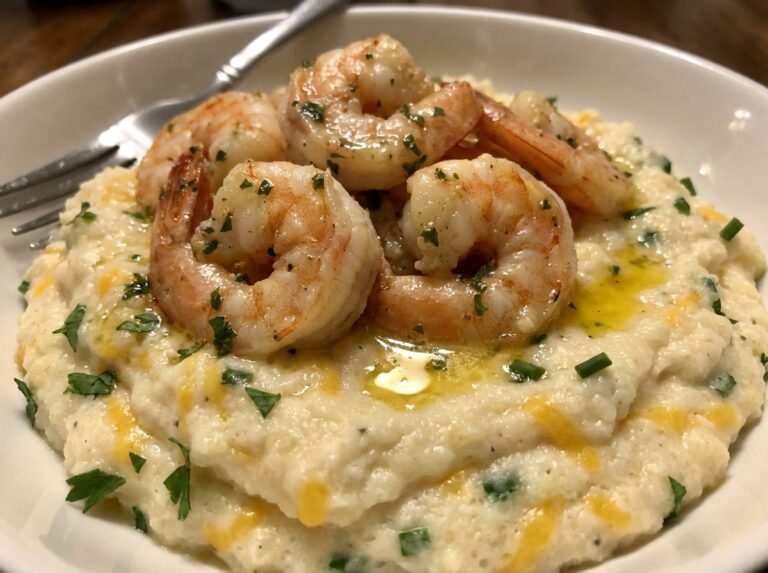
Keto Shrimp and Grits with Cauliflower
A low-carb twist on Southern comfort food, featuring creamy cauliflower rice blended with cheddar cheese and herbs, topped with buttery shrimp. Ready in 27 minutes with net carbs under 8g per serving. Rich, velvety, and keto-friendly with restaurant-quality flavor.
- Total Time: 27
- Yield: 4 servings 1x
Ingredients
1 ½ cups riced cauliflower
2 cloves garlic, minced
4 oz cream cheese, softened
1 cup cheddar cheese, grated
2 cups chicken broth
1 cup heavy cream
4 oz raw shrimp, peeled and deveined
3 tbsp unsalted butter
1 tsp fresh parsley, chopped
½ tsp smoked paprika
¼ tsp salt
¼ tsp black pepper
Instructions
Bring 1 ½ cups water to a boil in a saucepan. Add riced cauliflower and garlic, reduce heat, and simmer 8-10 minutes until tender.
Mix in cream cheese, cheddar cheese, chicken broth, and heavy cream. Stir until smooth and creamy. Season with salt and pepper.
In a skillet, melt butter. Sauté shrimp 2-3 minutes per side until pink and opaque. Sprinkle with paprika, parsley, and a pinch of salt.
Serve cauliflower grits in bowls, top with shrimp, and drizzle with remaining butter sauce from the skillet.
Notes
Use frozen riced cauliflower for convenience
Substitute ¼ cup coconut milk for heavy cream for a dairy-free option
Add wilted spinach to boost vegetable content
Store leftovers in an airtight container for up to 2 days
- Prep Time: 12
- Cook Time: 15
- Category: Dinner
- Method: Simmering
- Cuisine: Southern American, Low-Carb
- Diet: Keto
Nutrition
- Serving Size: 1 bowl
- Calories: 500
- Sugar: 0.5g
- Sodium: 700mg
- Fat: 32g
- Saturated Fat: 18g
- Carbohydrates: 6g
- Fiber: 2g
- Protein: 30g
- Cholesterol: 220mg