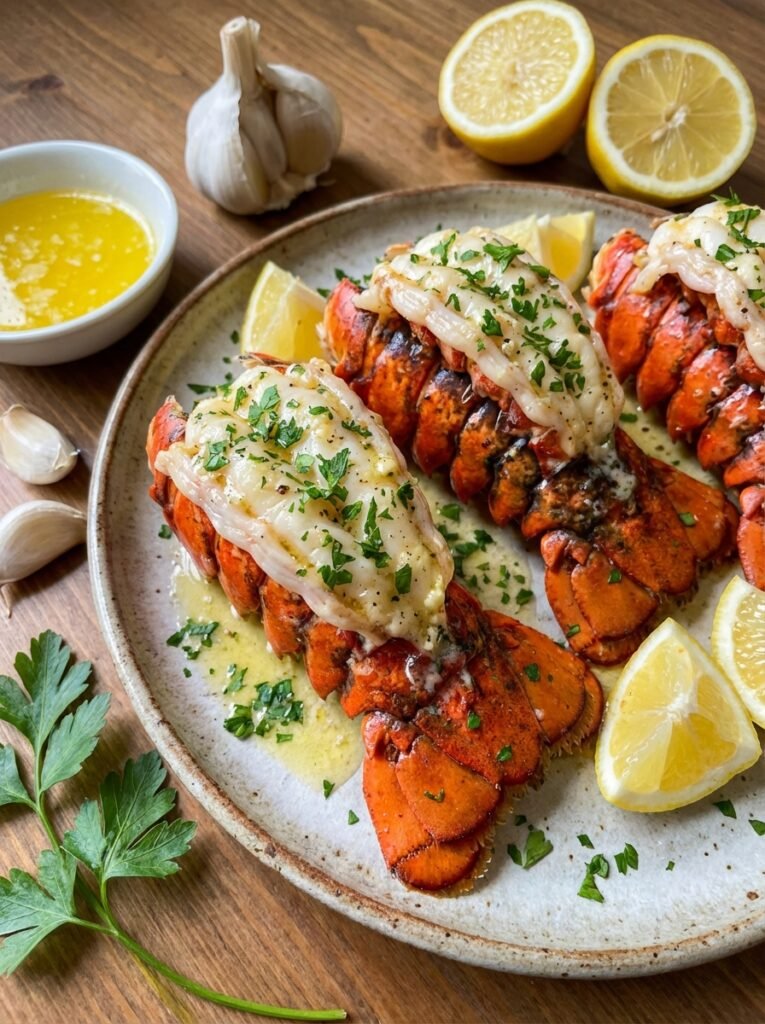
Low carb lobster tails with butter is an elegant, keto-friendly seafood dish featuring tender lobster meat bathed in rich, garlic-infused butter. This recipe delivers restaurant-quality flavor in under 30 minutes using simple, wholesome ingredients. The combination of sweet, delicate lobster and savory clarified butter creates a satisfying main course that aligns perfectly with low-carb and ketogenic lifestyle goals.
| Prep Time | Cook Time | Total Time | Servings | Difficulty | Cuisine |
|---|---|---|---|---|---|
| 10 minutes | 15 minutes | 25 minutes | 2 | Easy | American Coastal |
Why This Recipe Works
This recipe succeeds because it respects the delicate texture of lobster while building maximum flavor through controlled cooking. I use a simple sear-and-baste method that locks in moisture and infuses the meat with aromatic butter. The lemon and fresh herbs provide brightness without adding carbohydrates, creating a balanced profile that enhances the lobster’s natural sweetness. Cooking the tails in their shells protects the meat from drying out and adds structural integrity for beautiful presentation. This technique is reliable for home cooks, producing consistently tender results without specialized equipment. For more inspiration on low-carb seafood, explore our keto seafood recipe collection.
The ingredient list is intentionally minimal to let the lobster shine. Clarified butter or ghee is my preferred fat because it has a high smoke point and a clean, rich taste. Garlic is gently warmed to release its aroma without browning, which can create bitterness. A final squeeze of fresh lemon juice cuts through the richness and makes every bite taste vibrant. I recommend serving this dish immediately for the best texture and temperature. This approach ensures the low carb lobster tails with butter remain the star of the meal.
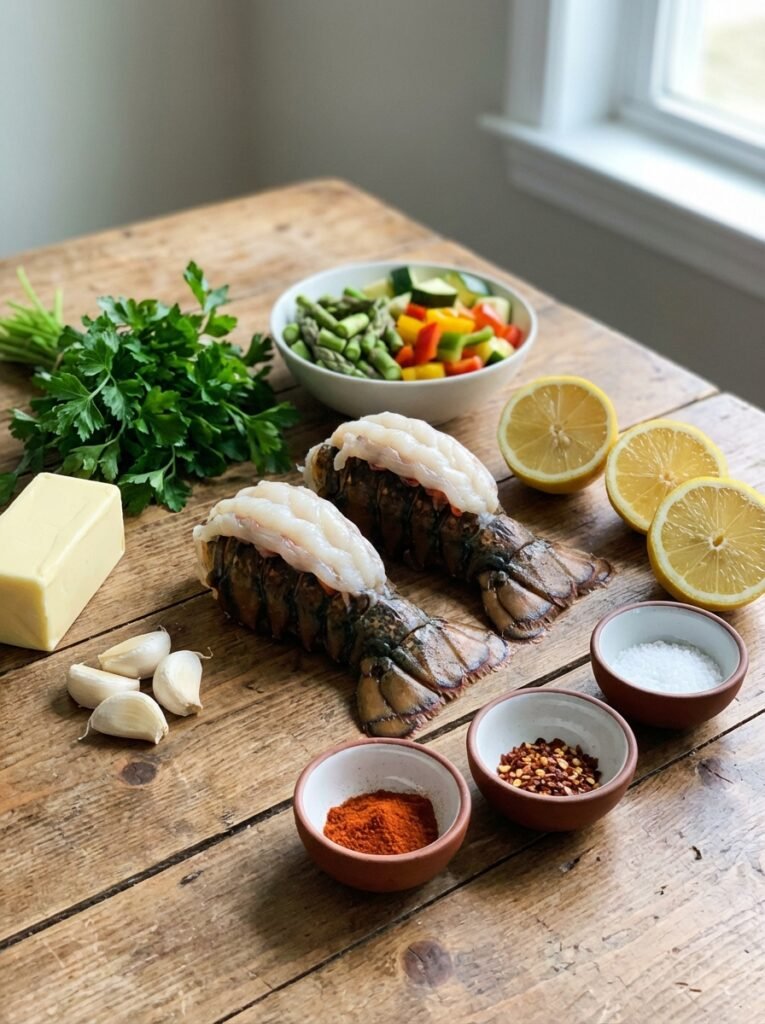
Ingredients
| Ingredient | Quantity | Notes with alternatives |
|---|---|---|
| Lobster tails | 2 (6-ounce each) | Choose fresh or thawed tails; sustainable sources recommended. |
| Unsalted butter or ghee | 4 tablespoons | Ghee is excellent for high heat and is lactose-free. |
| Garlic, minced | 2 cloves | Substitute 1/2 teaspoon garlic powder if needed. |
| Fresh lemon juice | 1 tablespoon | Use bottled lemon juice in a pinch, but fresh is best. |
| Parsley, chopped | 2 tablespoons | Substitute cilantro for a different herbal note. |
| Sea salt | 1/2 teaspoon | Pink Himalayan salt is a good alternative. |
| Black pepper | 1/4 teaspoon | Freshly ground offers superior aroma. |
| Paprika or smoked paprika (optional) | 1/4 teaspoon | Adds color and subtle smoky depth. |
Step-by-Step Instructions
Prepare the Lobster Tails
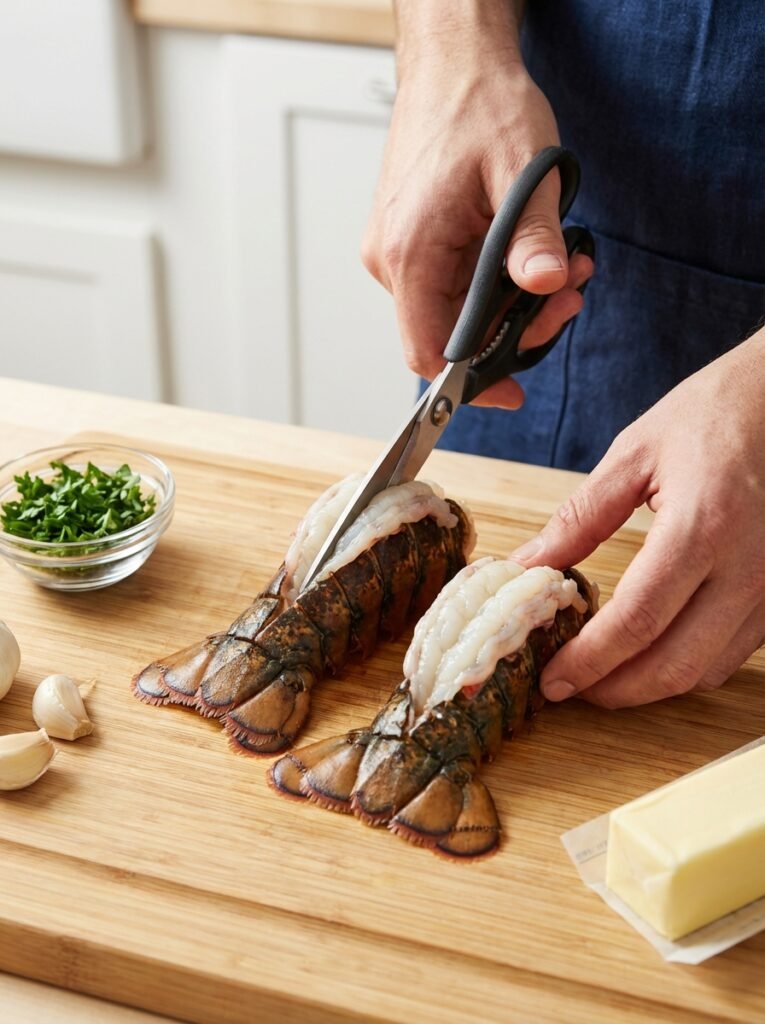
Thaw lobster tails in the refrigerator overnight if frozen. Use kitchen shears to cut down the center of the top shell lengthwise, stopping at the base of the tail fin. Carefully loosen the meat from the shell without detaching it, keeping the tail intact for presentation. Pat the lobster meat dry with paper towels to ensure a good sear and prevent splattering. Season lightly with sea salt, black pepper, and optional paprika.
Sear the Lobster
Heat a skillet over medium-high heat and add two tablespoons of butter or ghee. Place the tails meat-side down once the fat is shimmering and cook for 2 to 3 minutes until lightly golden. This initial sear develops flavor and firmness in the lobster meat. Avoid overcrowding the pan to maintain even heat distribution. Transfer the seared tails to a plate if working in batches.
Create the Garlic Butter Sauce
Reduce heat to medium and add the remaining butter to the skillet. Add minced garlic and warm for 30 to 45 seconds until fragrant without browning. Stir in fresh lemon juice and chopped parsley to build a bright, aromatic sauce. Return the lobster tails to the pan and spoon the butter sauce over the meat continuously. This basting action infuses flavor and keeps the lobster moist.
Finish and Serve
Cook the tails in the shell for 3 to 5 minutes per side, depending on thickness, until the meat is opaque and firm. Use an instant-read thermometer to verify an internal temperature of 140°F to 145°F for perfect doneness. Rest the lobster for one minute before plating to allow juices to redistribute. Drizzle any remaining garlic butter sauce over the tails and garnish with extra parsley. Serve immediately with low-carb sides for a complete meal.
Chef Tips for Perfect Results
- Use a meat thermometer to avoid overcooking; lobster is done at 140°F to 145°F internal temperature.
- Clarified butter or ghee prevents burning and delivers a cleaner, richer flavor than regular butter.
- Keep the meat attached to the shell for easier handling and a beautiful presentation on the plate.
- Add lemon juice at the end to preserve its bright acidity and prevent bitterness during cooking.
- Preheat the skillet properly; a hot pan ensures a sear rather than a steam.
- Source sustainable lobster to support ocean health and ensure superior taste and texture.
Common Mistakes to Avoid
- Overcooking the lobster: Why it matters: It becomes tough and rubbery. How to fix: Use a thermometer and remove the lobster promptly once it reaches 145°F.
- Using low smoke-point oil: Why it matters: Butter can burn, causing off flavors. How to fix: Choose clarified butter or ghee for high-heat cooking.
- Cooking with wet meat: Why it matters: Moisture prevents searing and splatters. How to fix: Pat lobster dry thoroughly before seasoning and cooking.
- Overcrowding the pan: Why it matters: Drops temperature and leads to steaming. How to fix: Cook tails in batches or use a larger skillet for even heat.
- Skipping the shell: Why it matters: Shell protects the meat and adds flavor. How to fix: Cook lobster in its shell and remove meat only after cooking.
Variations and Substitutions
| Ingredient | Substitution | Impact on Flavor |
|---|---|---|
| Unsalted butter | Extra virgin olive oil | Grassy notes, lighter texture, still low carb. |
| Garlic | Shallot | Milder sweetness, less pungent aromatic profile. |
| Parsley | Chives | Delicate onion flavor, gentle freshness. |
| Lemon juice | Lime juice | Tangier citrus brightness, slightly more tropical. |
| Paprika | Cayenne pepper | Spicy heat, use sparingly for low heat lovers. |
Serving Suggestions and Pairings
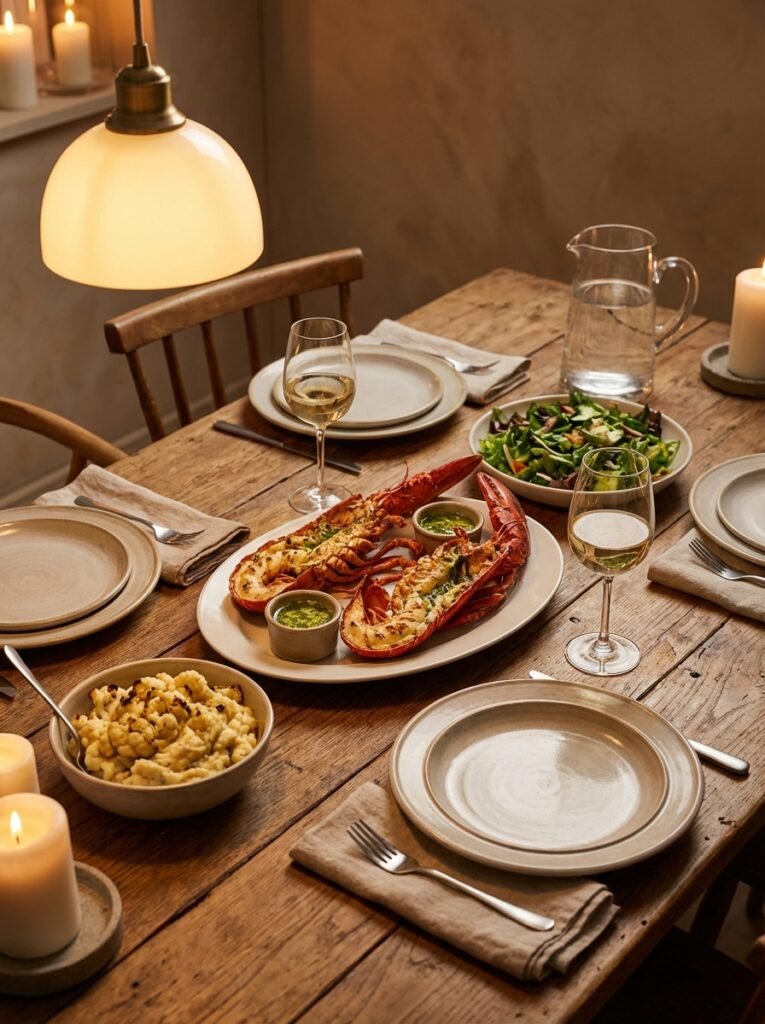
Pair low carb lobster tails with butter alongside cauliflower rice pilaf for a satisfying, keto-friendly base. Roasted asparagus with lemon zest complements the seafood and adds fiber to the plate. For a special occasion, serve with a simple green salad dressed in olive oil and vinegar. This dish works beautifully for date night dinners, summer garden parties, and holiday meals. Consider a non-alcoholic sparkling citrus beverage to echo the lemon notes and elevate the experience. For additional pairing ideas, see EatingWell for side dish inspiration.
Storage and Reheating
| Method | Duration | Instructions |
|---|---|---|
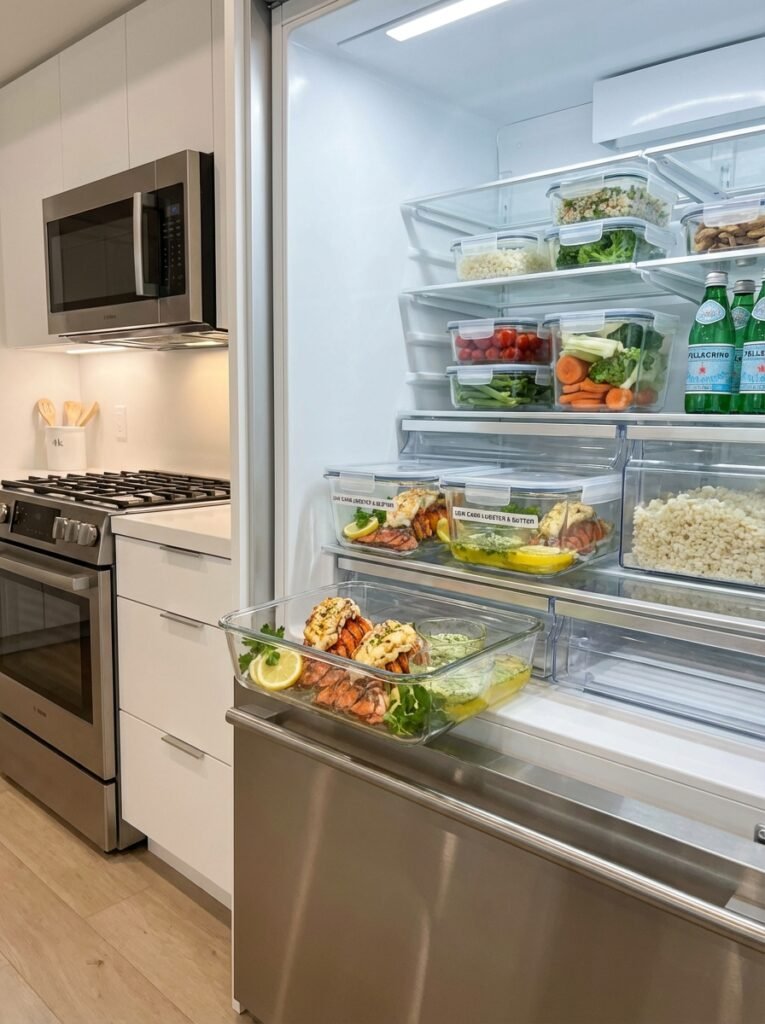
| Refrigerator | Up to 2 days | Cool completely, store in airtight container, keep shells separate if preferred. |
| Freezer | Up to 1 month | Wrap tightly, freeze in portions, thaw overnight in refrigerator before reheating. |
| Reheating | Until warmed through | Use low heat in a skillet with butter; avoid microwaving to prevent toughness. |
Nutritional Information
| Nutrient | Amount per Serving |
|---|---|
| Calories | 280 (approximate) |
| Protein | 27g (approximate) |
| Fat | 18g (approximate) |
| Carbohydrates | 3g (approximate) |
| Fiber | 0g (approximate) |
| Sugar | 1g (approximate) |
| Sodium | 500mg (approximate) |
Approximate values based on standard ingredient data and portion sizes.
Frequently Asked Questions
Can I substitute the butter for a dairy-free option?
Yes, use ghee or a high-quality dairy-free butter alternative with a high smoke point. This substitution maintains richness and works well for low carb lobster tails with butter. The flavor remains robust and the dish stays keto-friendly.
How do I know when lobster tails are done without a thermometer?
The meat turns opaque white and firms up, and the shell turns bright red. Press the meat gently; it should feel springy rather than mushy. Remove from heat promptly to avoid overcooking and tough texture.
What causes rubbery lobster and how can I fix it?
Overcooking is the primary cause of rubbery lobster. To fix it, monitor internal temperature closely and remove the lobster at 140°F to 145°F. Rest briefly before serving to allow juices to settle.
Can I make low carb lobster tails ahead of time?
You can prep the tails by cleaning and seasoning them up to one day in advance. Cook them just before serving for the best texture. If you must reheat, do so gently in a skillet with butter.
What sides pair well while keeping carbs low?
Roasted low-carb vegetables, cauliflower rice, or a crisp salad with olive oil pair well. These sides complement the garlic butter sauce without adding significant carbohydrates. For more ideas, consult Healthline keto guide.
Should I remove the vein from the lobster tail?
Lobster tails typically do not have a digestible vein like shrimp, but you can trim any visible membrane for a cleaner presentation. Rinsing the meat and patting dry is sufficient. Keep the shell intact for cooking.
Is it better to bake or pan-sear lobster tails?
Pan-searing with basting gives faster flavor infusion and a beautiful crust. Baking is gentler and can be useful for larger tails. This recipe uses pan-searing for optimal taste and texture.
Can I freeze cooked low carb lobster tails with butter?
Yes, freeze in airtight containers for up to one month. Thaw in the refrigerator and reheat gently to preserve tenderness. Avoid microwaving, which can make the lobster rubbery.
What internal temperature is safe for lobster?
Safe doneness for lobster is 140°F to 145°F internal temperature. Use an instant-read thermometer for accuracy. Remove the lobster from heat at this temperature to maintain a tender bite.
How do I keep the garlic butter sauce from separating?
Use gentle heat and avoid boiling the sauce. Stir occasionally and add lemon juice at the end. If separation occurs, whisk briefly off heat to re-emulsify the butter.
Low carb lobster tails with butter deliver a luxurious yet simple dinner that highlights premium seafood with minimal ingredients. The garlic butter sauce enhances the lobster’s sweetness while staying true to ketogenic goals. Use the chef tips and avoid common mistakes to achieve consistent, restaurant-quality results. Serve immediately with bright, fresh garnishes and enjoy a signature flavor that feels both indulgent and wholesome. With a 25-minute total time and clear steps, this dish can become a reliable staple in your low-carb repertoire.
Print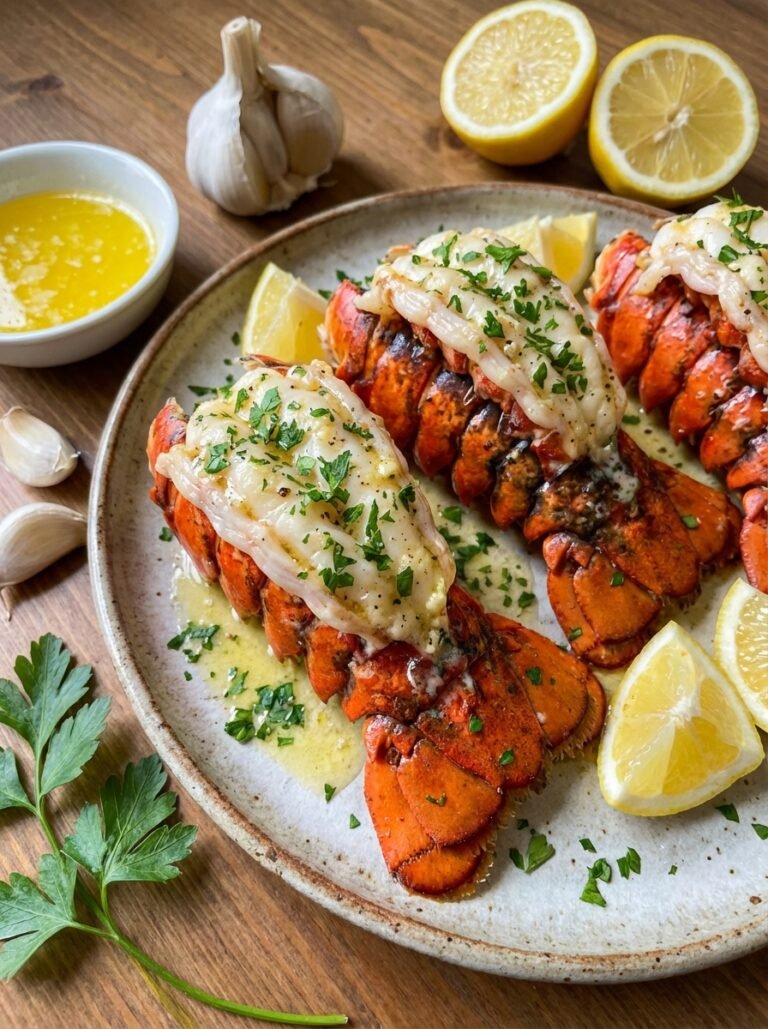
Low Carb Lobster Tails with Butter
An elegant keto-friendly seafood dish featuring tender lobster meat bathed in rich, garlic-infused butter. Ready in 25 minutes, this recipe delivers restaurant-quality flavor with a sweet and savory, photorealistic presentation.
- Total Time: 25
- Yield: 2 servings
Ingredients
Lobster tails, 2 (6-ounce each)
Unsalted butter or ghee, 4 tablespoons
Garlic, minced, 2 cloves
Fresh lemon juice, 1 tablespoon
Fresh parsley, chopped, 1 tablespoon
Instructions
Preheat oven to 375°F (190°C)
Place lobster tails on a baking sheet, shell-side down
Melt butter in a skillet over medium heat
Sear lobster tails flesh-side down for 2 minutes
Add garlic to the pan, warm gently but do not brown
Brush garlic butter over lobster tails and return to oven
Cover and bake for 12 minutes, or until opaque
Remove, squeeze fresh lemon juice, and garnish with parsley
Notes
Use clarified butter or ghee for high heat stability
Substitute 1/2 teaspoon garlic powder if raw garlic is unavailable
Serve immediately for optimal texture
Lobster shells add structural integrity and flavor
- Prep Time: 10
- Cook Time: 15
- Category: Dinner
- Method: Baking
- Cuisine: American Coastal
- Diet: Low Carb/Keto
Nutrition
- Serving Size: 1 lobster tail
- Calories: 520
- Sugar: 1g
- Sodium: 30mg
- Fat: 32g
- Saturated Fat: 19g
- Carbohydrates: 2g
- Fiber: 0.5g
- Protein: 32g
- Cholesterol: 280mg