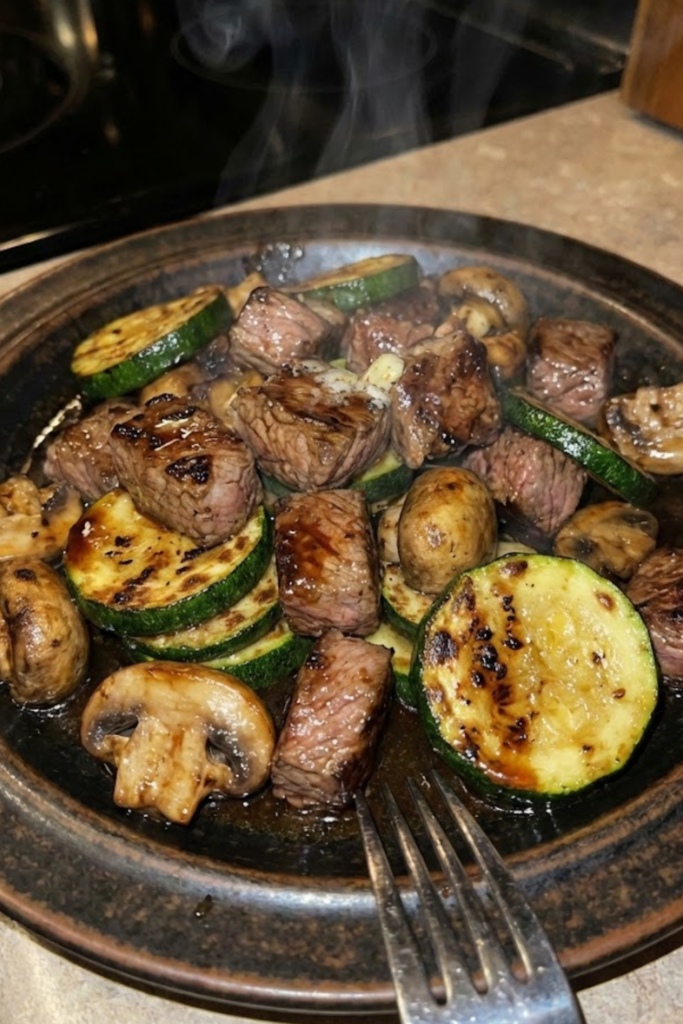
Did you know that the average “dinner and a show” hibachi meal can pack over 100 grams of hidden carbs in the sauces and rice? Honestly, when I first started keto, I thought my Friday night steakhouse tradition was totally dead. But guess what! You can absolutely crush those cravings with this Keto Hibachi Steak and Veggies masterpiece that tastes even better than the restaurant version. We are talking about tender, butter-basted beef and snap-tender zucchini that will make your kitchen feel like a high-end teppanyaki grill!
Choosing the Best Beef for Keto Hibachi Steak
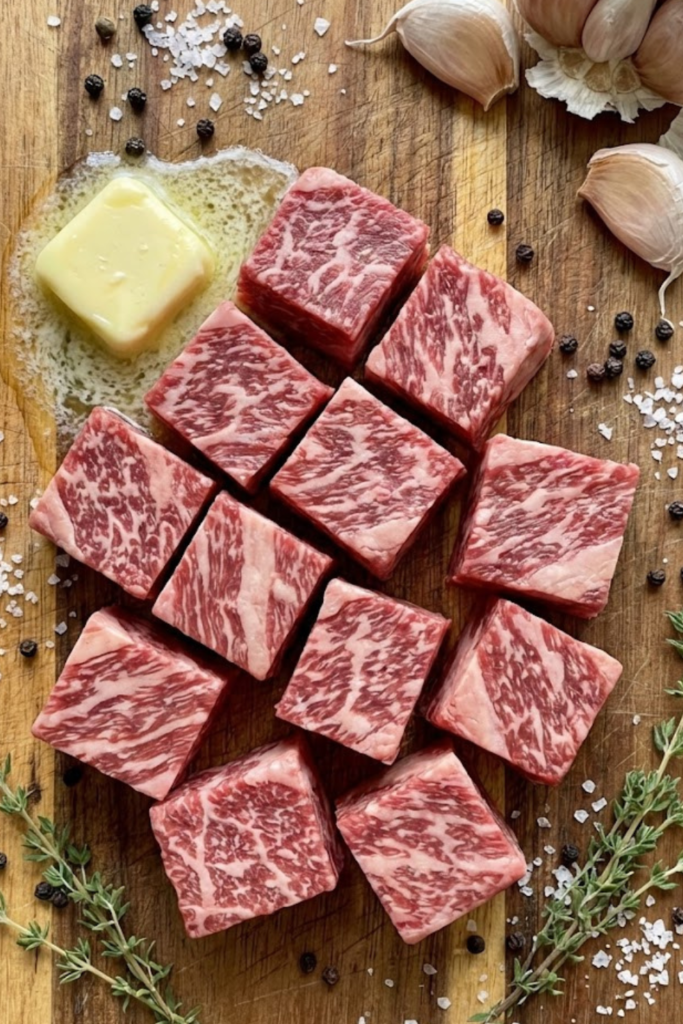
Choosing the right meat is honestly where most people mess up their home hibachi night. I remember the first time I tried making this, I bought a super lean round steak because it was on sale, and man, it was like chewing on a leather shoe. It was a total disaster and I almost gave up on the whole idea. You really need that marbling if you want that melt-in-your-mouth feel you get at the fancy grills.
Go for the Fat
For a killer Keto Hibachi Steak and Veggies meal, I always reach for a ribeye or a New York strip. These cuts have the fat content that keeps the meat juicy even when you’re blasting it with high heat. If those are too pricey, a well-marbled sirloin works okay, but don’t even look at the lean stuff. The fat isn’t just for flavor; on a keto diet, it’s actually your fuel, so don’t be afraid of those white streaks of marbling.
The Prep Work
I’ve learned the hard way that you gotta slice the beef into bite-sized cubes before it hits the pan. Use a sharp knife and try to keep them around one-inch thick so they cook evenly. A little pro tip I picked up: pat the meat completely dry with paper towels before you season it. If the meat is wet, it just steams in the pan instead of getting that gorgeous brown crust we’re looking for.
Let It Breathe
Seriously, don’t take the steak straight from the fridge to the stove. I let mine sit on the counter for about 20 minutes to take the chill off. This helps the proteins relax, and it makes a huge difference in how tender the final result is. While it sits, I just toss it with a bit of avocado oil and some cracked black pepper.
The Sizzle Factor
When you finally drop the meat into the skillet, it should make a loud “hiss” sound. If it doesn’t sizzle immediately, your pan isn’t hot enough, and you’re gonna lose all that juice. I usually cook mine in small batches so the pan stays screaming hot. It takes a few extra minutes, but the flavor is way better than crowding the pan and ending up with grey, boiled-looking meat.
Low-Carb Hibachi Vegetables: Beyond the Zucchini
When you go out to eat, the veggies are usually swimming in a sugary glaze that totally kicks you out of ketosis. But honestly, the vegetables are my favorite part of the whole meal when they’re done right. You want them to have a little bit of a snap—nobody likes a mushy zucchini that falls apart the second you touch it with a fork.
The Essentials
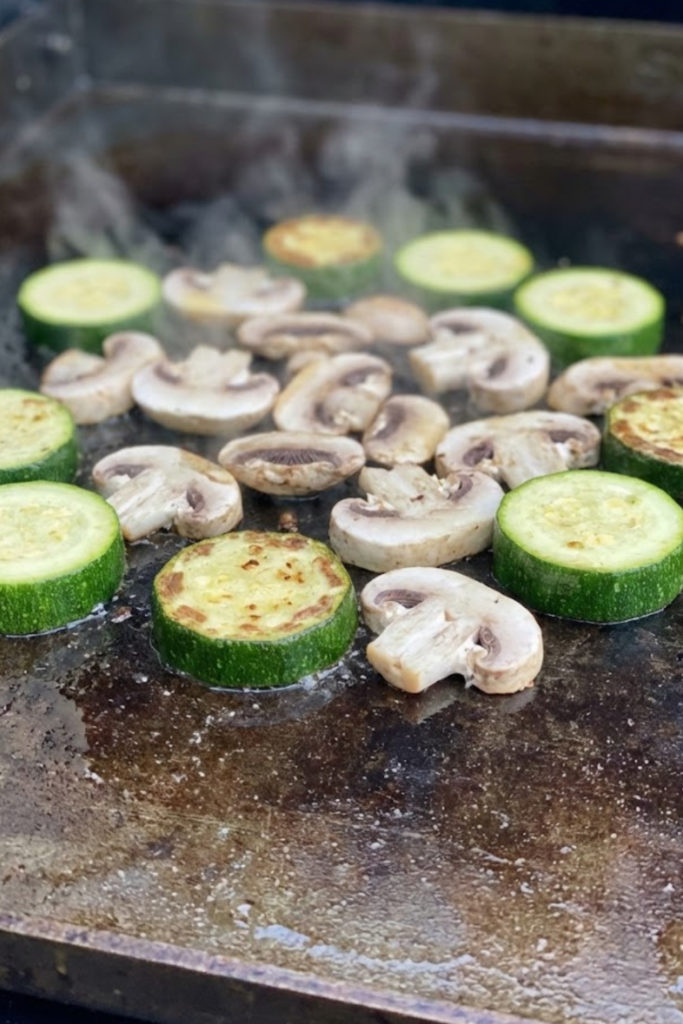
I always stick to the classics: zucchini and mushrooms. They are like sponges for all that buttery garlic goodness. I usually cut my zucchini into thick half-moons. If you slice them too thin, they turn into mush before the steak is even done. For the mushrooms, I just quarter them. It gives them a meaty texture that really holds up against the high heat of the pan.
Flavor Boosters
Now, you have to be a little careful with onions and bell peppers because those carbs can sneak up on you fast. I like to use big wedges of onion rather than chopping them small. That way, you get the flavor and the crunch without eating a ton of them. A few strips of red bell pepper add a nice pop of color, but I don’t go overboard. It makes the dish look like it came straight off a professional grill.
Avoid the “Soggy Veggie Syndrome”
The biggest mistake I see people make is putting too many veggies in the pan at once. If the pan gets crowded, the vegetables start to release water and they just boil in their own juice. Yuck. I cook them on the highest heat possible in small batches. You want to see those little charred brown spots on the edges of the zucchini. That’s where all the flavor lives!
The Finishing Touch
Right at the end, I toss everything back in with a splash of coconut aminos and a big squeeze of fresh lemon juice. The lemon cuts through the richness of the butter and really makes the flavors wake up. It’s a simple trick, but it’s what makes people ask for seconds.
The Secret “Sugar-Free” Hibachi Soy Sauce Blend
If you’ve ever looked at the back of a bottle of store-bought teriyaki or hibachi sauce, you’ll see why it’s a keto nightmare. They are usually loaded with corn syrup and sugar to make them thick. I used to think I couldn’t get that same sticky, savory glaze at home without the carbs, but I found a workaround that tastes just as good, if not better.
Liquid Aminos vs. Soy Sauce
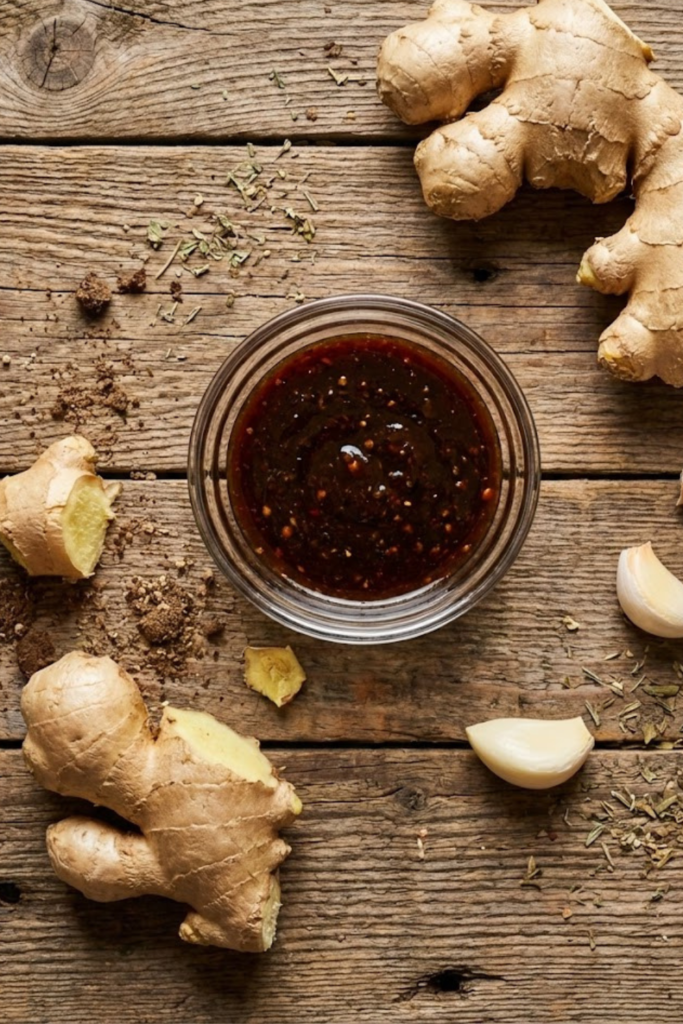
I usually swap out regular soy sauce for coconut aminos. It has a slightly sweeter natural taste without the added junk, and it’s gluten-free too. If you’re strict keto, just watch the labels because some brands have more natural sugar than others. If you don’t have aminos, a low-sodium soy sauce is fine, but you’ll want to add a tiny drop of liquid stevia or monk fruit to get that classic hibachi sweetness.
Garlic and Ginger
The real magic happens with the aromatics. I never use the powdered stuff if I can help it. I grate fresh ginger and smash a few cloves of garlic right into the sauce. When that ginger hits the hot oil in the pan, the smell is incredible—it’s that exact scent you notice the second you walk into a Japanese steakhouse.
Butter is King
Here is my biggest “aha!” moment: the secret to that glossy, rich sauce isn’t cornstarch—it’s cold butter. Right before I pull the steak and veggies off the heat, I drop in a cold pat of grass-fed butter. I turn off the stove and just toss everything together. The butter melts and emulsifies with the juices and the aminos, creating a thick, velvety sauce that clings to every piece of steak. It’s so rich and “juicy” you won’t even miss the rice.
Keep it Simple
You don’t need twenty ingredients for this. A mix of the aminos, a splash of sesame oil, the fresh garlic/ginger, and that final butter finish is all it takes. I’ve tried adding all sorts of vinegar and spices before, but it just gets too busy. This simple blend lets the flavor of the beef really shine through.
Cooking Technique: Achieving the Perfect Teppanyaki Sear
Getting that restaurant-quality sear at home used to drive me crazy. I’d see the chefs at the steakhouse get those beautiful charred edges, but when I tried it in my cheap non-stick frying pan, the meat just looked grey and sad. After a lot of trial and error (and a few smoke alarms going off), I realized it all comes down to the surface you use and how high you dare to turn up the dial.
Cast Iron vs. Wok
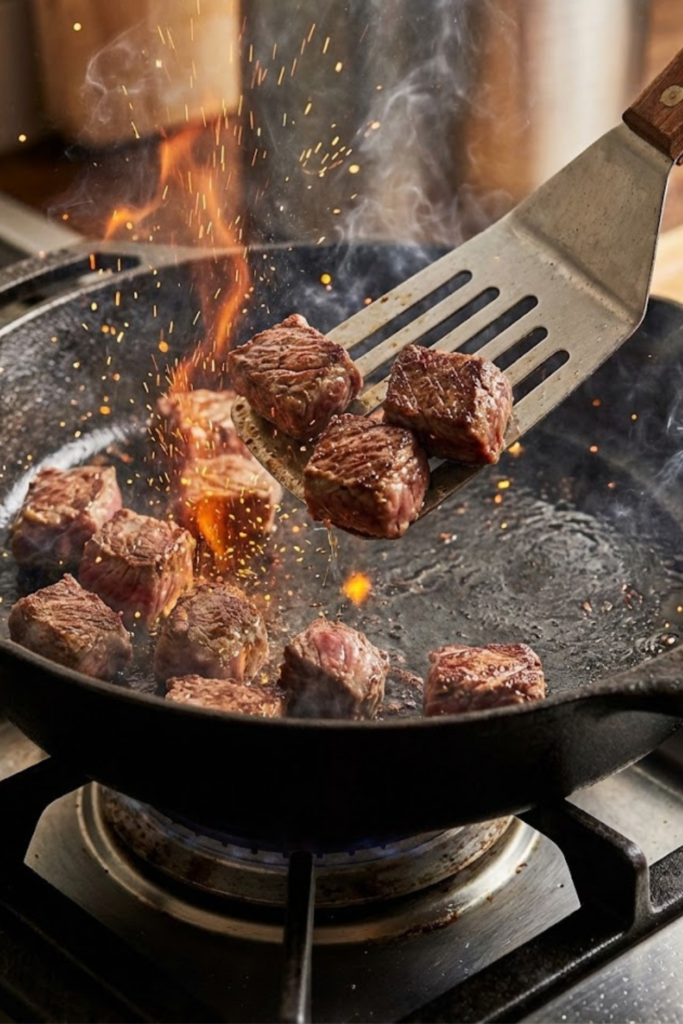
I finally tossed my non-stick pans when it comes to hibachi. They just can’t hold the heat you need. Now, I swear by a heavy cast iron skillet or a carbon steel wok. These metals get screaming hot and stay hot even when you drop cold meat onto them. That heat is what locks in the juices and creates that “JUICY” crust that makes Keto Hibachi Steak and Veggies feel like a real treat instead of just another diet meal.
Use the Right Oil
Don’t use olive oil or butter for the initial sear—they’ll burn and make your kitchen smell like a campfire before the steak is even halfway done. I always use avocado oil because it has a super high smoke point. It can handle the heat without breaking down. Save the butter for the very end of the cooking process so you get the flavor without the burnt bitter taste.
The “No Touch” Rule
One of the hardest things to learn was to stop moving the meat around. Once you drop those steak cubes into the hot oil, leave them alone for at least a minute! If you keep stirring, you won’t get that brown crust. I wait until I see a nice dark sear on the bottom, then I give the pan a good shake or a quick flip with a metal spatula.
Batch Cooking is Key
If you’re cooking for a family, resist the urge to throw all two pounds of meat in at once. If the bottom of the pan is covered, the temperature drops and the meat starts to steam. I usually cook the steak in two or three batches. I pull the meat out while it’s still a little pink in the middle, let it rest on a plate, and then do the veggies. By the time you toss everything back together at the end, it’s all perfectly cooked.
Making Keto Hibachi Steak and Veggies at home is seriously a game-changer for your weekly meal prep routine. I used to spend a fortune at the local steakhouse just to get my fix, but honestly, doing it in my own kitchen is so much more satisfying. You get all that buttery, salty goodness without having to worry about hidden sugars or that heavy, bloated feeling from a mountain of white rice. Plus, it only takes about 20 minutes from start to finish!
If you’re looking for a way to keep your keto journey exciting, this is the meal that will do it. It’s simple, it’s fast, and it tastes like a total cheat meal even though it’s packed with healthy fats and protein. I’ve made this for my non-keto friends too, and they didn’t even notice the difference—they were too busy asking for the recipe!
If you loved this “JUICY” hibachi experience, please save this post to your Keto Dinner board on Pinterest! Sharing it helps other people find easy, low-carb recipes that actually taste good. I’d love to hear how yours turned out, so leave a comment if you give it a try. Happy cooking!