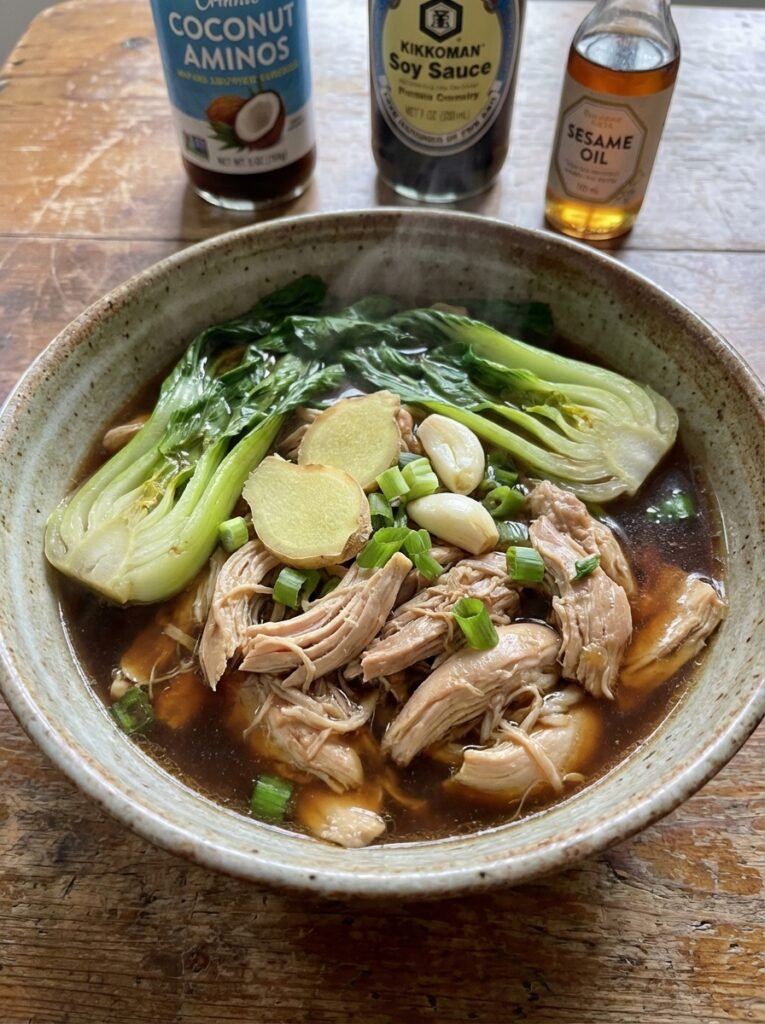
This keto crockpot chicken and bok choy is a complete low-carb meal that combines tender poached chicken breasts with crisp Asian greens in a savory garlic and ginger broth. The dish delivers authentic flavors while keeping your daily carbohydrate intake minimal, making it ideal for ketogenic dieters seeking convenient weeknight solutions. Slow cooking renders the chicken impossibly moist while infusing the bok choy with deep umami notes from bone broth and aromatic seasonings. This hands-off approach produces restaurant-quality results without constant monitoring, perfect for busy professionals and meal-prep enthusiasts alike.
| Prep Time | 15 minutes |
|---|---|
| Cook Time | 4 hours on low or 2.5 hours on high |
| Total Time | 4 hours 15 minutes |
| Servings | 4 |
| Difficulty | Easy |
| Cuisine | Asian-Inspired Keto |
Why This Recipe Works
I discovered this combination while searching for keto slow cooker meals that didn’t rely on repetitive cream-based sauces. The beauty of this dish lies in its simplicity and the way each ingredient contributes meaningfully to the final result. Chicken breast, often dismissed as boring on ketogenic diets, transforms into succulent meat when cooked low and slow in a flavorful broth for four hours. The extended cooking time breaks down collagen and connective tissues, creating gelatin that enriches the entire dish naturally.
Bok choy remains one of the most underutilized keto vegetables despite its exceptional nutritional profile. This Asian green contains just 1.5 grams of net carbs per cup while delivering substantial amounts of vitamins K, C, and calcium. Adding it during the final 30 minutes of cooking preserves its crisp texture and bright flavor, preventing the mushiness that occurs when vegetables cook too long in slow cookers. This timing ensures you get the best of both worlds: tender chicken and vibrant greens.
The broth itself is where this recipe truly excels for ketogenic cooking. Bone broth provides collagen and minerals while contributing zero carbohydrates, making it the perfect cooking liquid for long slow-cooking processes. Ginger and garlic add complexity without any sugar content, while coconut aminos or tamari delivers umami depth that standard water simply cannot achieve. This combination creates a light, aromatic sauce that complements the chicken without overwhelming delicate bok choy flavors.
The hands-off nature of crockpot cooking makes this recipe invaluable for meal planning. You can prepare ingredients the night before, dump them into your slow cooker in the morning, and return to a complete dinner requiring zero additional effort. This convenience factor has made this recipe a staple in my weekly rotation, particularly during high-stress work periods when cooking feels overwhelming. The result justifies the minimal effort invested.
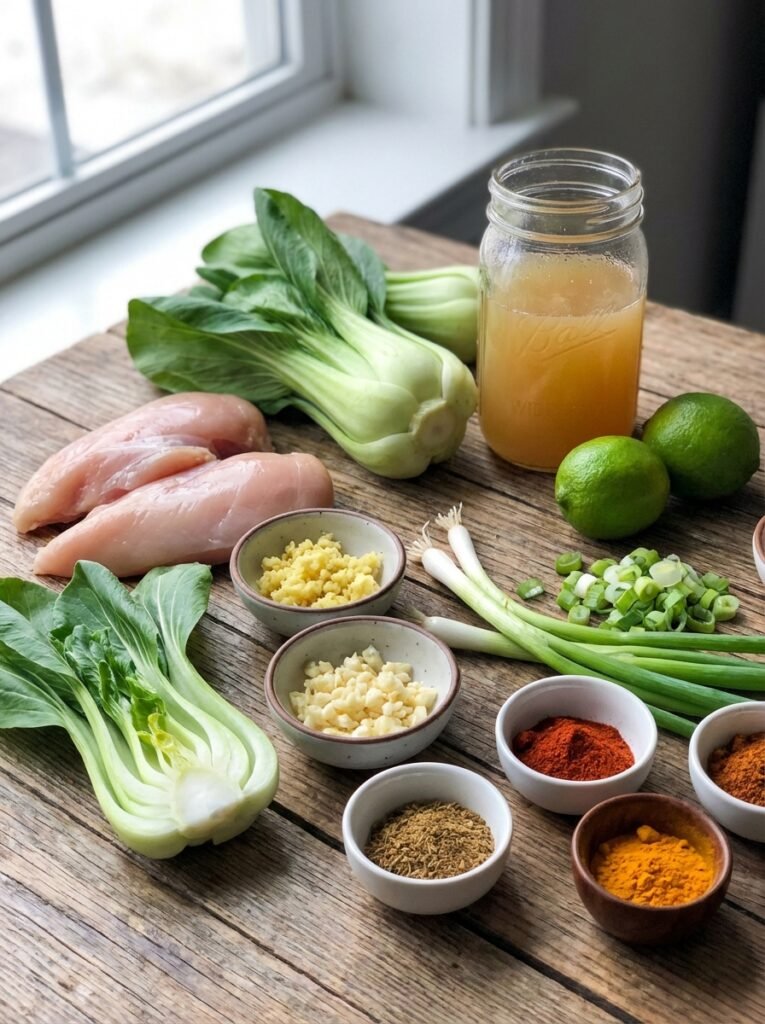
Ingredients
| Ingredient | Quantity | Notes |
|---|---|---|
| Chicken breasts, boneless and skinless | 2 lbs (900g) | Bone-in thighs work but increase cooking time by 30 minutes. Quality matters here. |
| Bone broth | 2 cups (480ml) | Substitute with chicken stock if bone broth unavailable. Avoid store-bought varieties with added sugar. |
| Fresh bok choy | 1.5 lbs (680g) | Baby bok choy works but requires only 15 minutes cooking. Regular bok choy preferred for this recipe. |
| Fresh ginger root | 2 tablespoons minced | Grated fresh ginger preferred over powder. Peel before mincing for best results. |
| Garlic cloves, minced | 6 cloves | Use fresh garlic exclusively. Pre-minced garlic contains additives affecting final flavor. |
| Coconut aminos or tamari | 3 tablespoons | Low-sodium soy sauce alternative. Tamari is gluten-free if celiac concerns present. |
| Sesame oil, toasted | 1 tablespoon | Essential for authentic flavor. Add after cooking to preserve volatile aromatics. |
| Red pepper flakes | 0.5 teaspoon | Adjust based on spice tolerance. Omit entirely if sensitive to heat. |
| Sea salt | 1 teaspoon | Add gradually and taste frequently. Bone broth salt content varies by brand. |
| Black pepper, freshly ground | 0.5 teaspoon | Freshly ground provides superior flavor compared to pre-ground pepper. |
| Lime juice, fresh | 2 tablespoons | Bottled lime juice acceptable but fresh preferred. Add just before serving. |
| Green onions, sliced | 3 stalks | Optional garnish. Use both white and green portions for maximum flavor. |
Step-by-Step Instructions
Preparation Phase
Step 1: Pat chicken breasts dry using paper towels to remove excess surface moisture. This step improves browning and prevents the cooking liquid from becoming too diluted during the initial stages. Do not skip this seemingly minor detail as it directly impacts the final broth clarity and flavor concentration.
Step 2: Rinse bok choy thoroughly under cold running water to remove any dirt or sand trapped between leaves. Separate the stalks and leaves by cutting where they meet naturally. The stalks require longer cooking than delicate leaves, so this separation ensures even texture throughout the finished dish.
Step 3: Mince fresh ginger and garlic directly into a small bowl to combine their juices and aromatics. Avoid pre-minced versions stored in jars, as preservatives and added liquids alter the intended flavor profile substantially. The effort of fresh mincing takes barely three minutes but transforms the final result significantly.
Assembly Phase
Step 4: Pour bone broth into the crockpot base, coating the entire bottom surface with approximately 1 inch of liquid. This creates the medium in which chicken will poach evenly without direct heat exposure causing uneven cooking or drying.
Step 5: Add minced ginger and garlic directly to the bone broth, stirring to distribute aromatics throughout the liquid. This ensures flavor builds evenly rather than concentrating in one area where ingredients settle.
Step 6: Mix coconut aminos and sesame oil in a small cup with a fork until fully combined. Pour this mixture into the broth and stir thoroughly. The emulsion helps distribute fat-soluble flavors evenly throughout the cooking liquid.
Step 7: Season with red pepper flakes, salt, and black pepper directly into the broth, stirring to combine. Add conservatively at this stage as flavors concentrate during slow cooking. You can always add more salt and pepper after cooking but cannot reduce oversalted dishes easily.
Step 8: Arrange chicken breasts in a single layer on the bottom of the crockpot, ensuring they’re submerged in the broth. They don’t need to be perfectly arranged as they’ll move during cooking. Avoid stacking chicken pieces as this creates uneven cooking zones.
Cooking Phase
Step 9: Cover the crockpot securely with the lid and cook on low heat for 4 hours or on high heat for 2.5 hours. Do not lift the lid during cooking as this releases steam and extends cooking time unpredictably. Set a timer to ensure you don’t exceed the recommended cooking duration.
Step 10: Check chicken doneness after the prescribed cooking time by inserting a meat thermometer into the thickest part of a breast. The internal temperature should reach 165°F (74°C), the safe minimum for poultry. Properly cooked chicken will shred easily with a fork when pressure is applied.
Final Assembly Phase
Step 11: Add bok choy stalks to the crockpot after removing it from heat, stirring them into the hot broth. The residual heat will begin softening the stalks while preserving their structural integrity. Set the timer for 15 minutes to allow proper cooking.
Step 12: Stir in bok choy leaves after 10 minutes have elapsed, allowing stalks to cook slightly ahead of more delicate leaves. This staggered addition ensures all vegetable portions reach optimal doneness simultaneously. Cover and allow the final 5 minutes to complete cooking.
Step 13: Remove from heat and let the crockpot sit covered for 5 minutes before serving. This resting period allows residual heat to settle and flavors to meld completely.
Step 14: Shred chicken breasts directly in the crockpot using two forks, pulling the meat into bite-sized pieces. The cooked chicken will separate effortlessly from bones if present, breaking into tender strands easily. Return shredded chicken to the broth immediately.
Step 15: Finish with lime juice and toasted sesame oil added just before serving. The lime juice brightens the overall flavor profile while the additional sesame oil adds aromatic depth and glossy richness. Stir gently to incorporate.
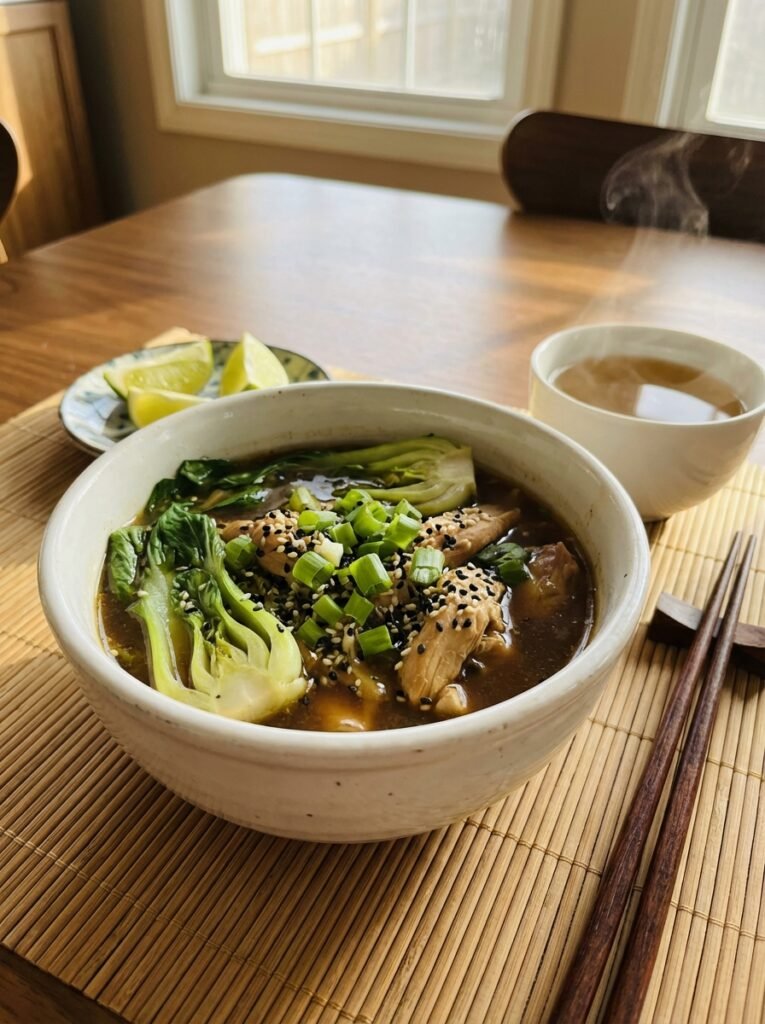
Step 16: Garnish with sliced green onions if desired and serve immediately in bowls with generous portions of both chicken and bok choy. The accumulated broth in the bottom of each bowl contains all the developed flavors from the slow-cooking process.
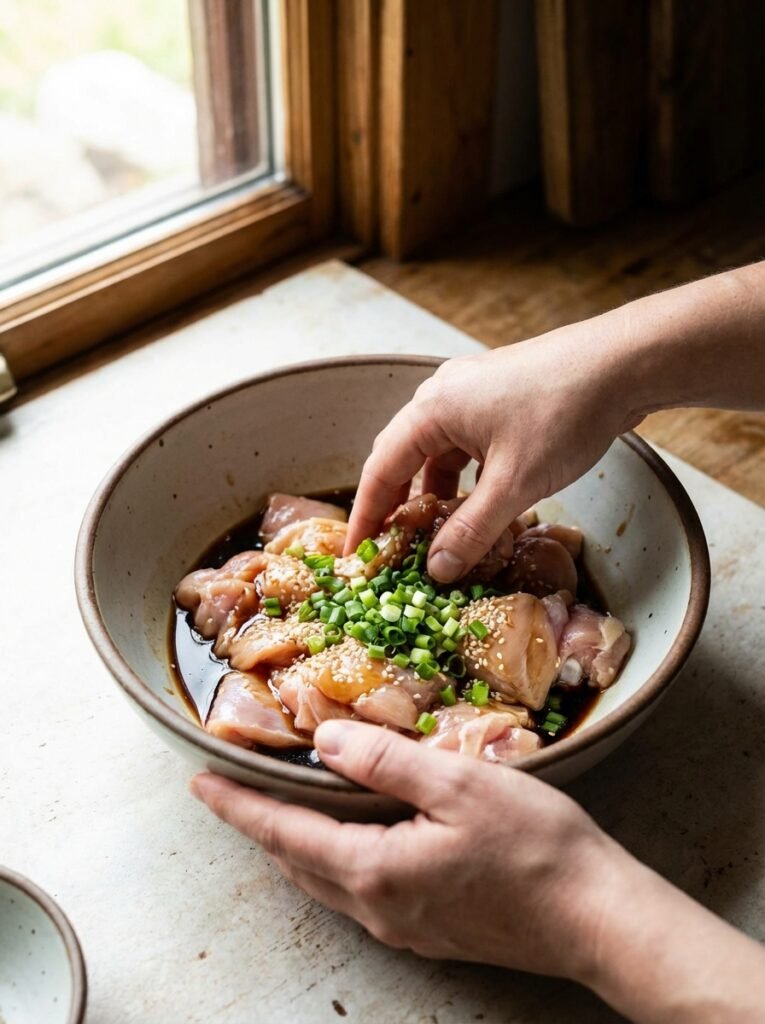
Image Prompt 3: A step-by-step cooking process of keto crockpot chicken and bok choy showing hands preparing ingredients in a bowl, mincing ginger and garlic, arranging chicken in crockpot, adding bok choy, and finished dish, sequence style, natural kitchen lighting, realistic action shots, high detail, 4k, size 3:4.
Chef Tips for Perfect Results
- Use room temperature chicken: Remove chicken from refrigeration 15 minutes before cooking to ensure even heat distribution throughout the meat during slow cooking. Cold chicken straight from the fridge requires extended cooking time and often results in uneven texture with overcooked edges and undercooked centers.
- Don’t overcrowd the crockpot: Maintain at least 2 inches of clearance between chicken pieces and the crockpot lid. Overcrowding prevents proper heat circulation and creates steam pockets that unevenly cook the dish. A crowded crockpot may require 30 additional minutes of cooking time.
- Taste the broth before serving: The accumulated cooking liquid concentrates flavors dramatically over four hours. Sample a small spoon of broth before serving and adjust seasoning as needed. Most dishes require an additional 0.25 to 0.5 teaspoon of salt beyond the initial amount specified.
- Add bok choy in the final 30 minutes only: Extended cooking completely destroys the vegetable’s nutritional value and crisp texture. Bok choy requires minimal cooking due to its delicate cellular structure. Adding too early results in mushy, flavorless greens that detract from the finished dish quality.
- Reserve broth for serving: Ladle some of the accumulated cooking liquid into each serving bowl. This broth is liquid gold, containing collagen from the chicken, minerals from bone broth, and concentrated flavor from hours of slow cooking. Never discard this valuable liquid.
- Invest in a quality crockpot: Older crockpots often cook hotter than modern models with more accurate temperature controls. Check your specific crockpot’s cooking pattern by testing with water before committing precious ingredients. Some older models require reduced cooking times to prevent overcooking.
Common Mistakes to Avoid
Mistake 1: Lifting the Lid Repeatedly
The Problem: Every lid lift releases steam that’s crucial for even cooking and flavor development. Opening the crockpot even briefly disrupts the internal temperature and extends cooking time unpredictably. I’ve seen careless lid lifting add 45 minutes to the total cooking duration.
The Fix: Resist the urge to check on your dish. Set a timer for your predetermined cooking time and trust the process. If you absolutely must check doneness, do so only once during the final 15 minutes of cooking. Modern crockpots allow you to check doneness without lifting the lid completely by using a glass-top model that lets you peek without releasing steam.
Mistake 2: Adding Bok Choy Too Early
The Problem: Bok choy cooked for the full four hours becomes a mushy, flavorless paste with virtually no nutritional value. The delicate greens disintegrate while stalks become rubbery and unpleasant. This mistake ruins an otherwise excellent dish in the final stages.
The Fix: Add bok choy exclusively during the final 30 minutes of cooking. If you forget, add it to 5 minutes remaining rather than adding it earlier. Fresh bok choy added so late actually cooks perfectly in the residual heat even after removing the crockpot from power. The texture remains slightly crisp while flavors integrate with the broth.
Mistake 3: Using Low-Quality Bone Broth
The Problem: Store-bought bone broth varies enormously in quality, with many commercial brands containing added sugars, carrageenan thickeners, and artificial flavors. These additions interfere with clean keto flavor profiles and can contribute unexpected carbohydrates to your meal. Some brands add 2-3 grams of carbs per cup.
The Fix: Make your own bone broth from chicken bones and vegetable scraps, or purchase from specialty butchers who produce bone broth daily. Brands like [Kettle and Fire](https://www.kettleandfire.com/){target=”_blank” rel=”noopener”} and Bonafide Provisions maintain strict keto-friendly formulations. Read labels carefully before purchasing, looking specifically for zero added sugars and minimal ingredient lists.
Mistake 4: Skipping the Final Sesame Oil Addition
The Problem: Toasted sesame oil added during cooking burns and loses its distinctive aroma, diminishing the entire dish’s flavor impact. Adding sesame oil at the beginning rather than the end wastes its volatile aromatics that make the recipe taste authentically Asian. The result feels flat and one-dimensional compared to the intended flavor profile.
The Fix: Add toasted sesame oil exclusively in the final two minutes before serving. The heat from the finished dish releases sesame oil’s aromatic compounds just as they’re about to be consumed. This timing preserves the nutty, toasted character that distinguishes this recipe from other bland crockpot chicken preparations.
Mistake 5: Not Seasoning the Broth Adequately
The Problem: Many cooks under-season slow cooker broths, resulting in bland dishes that disappoint despite quality ingredients. Four hours of cooking concentrates flavors dramatically, requiring more initial seasoning than quick-cooking methods. Timid seasoning leaves diners reaching for additional salt and pepper at the table.
The Fix: Begin with the full salt amount specified and taste the finished broth before serving. Remember that slow cooking concentrates seasonings, so the broth should taste noticeably salty and flavorful before the chicken is added. If the initial broth tastes bland, it’s already too late to fix it after cooking completes. When in doubt, season more assertively at the beginning.
Mistake 6: Using Frozen Chicken
The Problem: Frozen chicken requires extended cooking time and cooks unevenly, resulting in overcooked edges and undercooked centers. The outer surface reaches 165°F long before the frozen interior thaws adequately. This uneven cooking creates a grainy, unpleasant texture throughout.vbdennsasbcxsqdhhd
Variations and Substitutions
| Ingredient | Substitution | Impact on Flavor |
|---|---|---|
| Bok choy | Chinese broccoli or gai lan | More bitter earthiness, slightly chewier texture. Increases cooking time to 35 minutes. |
| Bok choy | Napa cabbage | Milder flavor with sweeter notes. Requires longer cooking but holds shape better. |
| Bone broth | Chicken stock | Less collagen and minerals, slightly less rich mouthfeel. Still excellent results. |
| Bone broth | Water with 1 tablespoon gelatin | Loses some mineral content but maintains body and richness for ketogenic dieters. |
| Coconut aminos | Tamari or gluten-free soy sauce | Slightly saltier and less sweet. Use 2 tablespoons instead of 3 to compensate. |
| Ginger and garlic | Garlic powder and ground ginger | Less aromatic and fresh. Use half the amount as powdered versions concentrate quickly. |
| Sesame oil | Avocado oil | Loses distinctive nutty aroma but maintains richness. Less authentic Asian flavor. |
| Red pepper flakes | Fresh Thai chili or Sriracha | More complex heat with fruity undertones. Use 1 tablespoon Sriracha instead of red pepper flakes. |
| Lime juice | Rice vinegar or lemon juice | Rice vinegar adds tanginess with slight sweetness. Lemon juice creates brightness without sourness. |
| Chicken breast | Bone-in chicken thighs | Richer, deeper flavor with more collagen. Increase cooking time to 5 hours on low. |
Serving Suggestions and Pairings
Serve this keto crockpot chicken and bok choy as a complete standalone meal in large bowls with generous portions of the accumulated broth. The chicken shreds and tender vegetables provide satisfying texture while the flavorful broth delivers collagen and minerals essential for ketogenic health markers. This presentation works beautifully for casual weeknight dinners or impressive meal-prep containers for busy professionals.
Occasion: Weeknight Family Dinner Pair this dish with a simple side salad featuring mixed greens, sliced cucumber, and a sesame-ginger vinaigrette. The crisp vegetables contrast beautifully with the warm broth-based chicken preparation. Add a quarter of an avocado per serving for additional healthy fat and creaminess that complements Asian flavors perfectly.
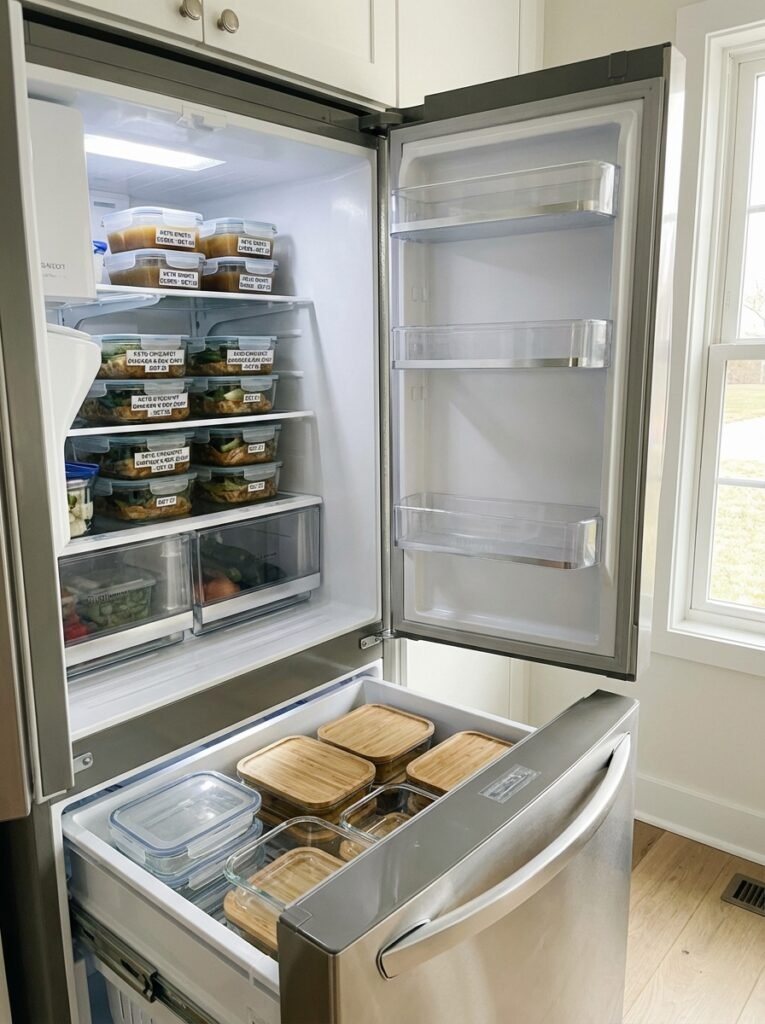
Occasion: Meal Prep Container Lunch Portion the chicken, bok choy, and broth into glass containers for grab-and-go lunches throughout the week. Add a separate container of cauliflower rice or zucchini noodles as an optional side to increase volume without additional carbohydrates. These components can be heated together or separately depending on preference, remaining excellent for up to four days refrigerated.
Occasion: Keto-Friendly Dinner Party Serve this dish in elegant bowls as the main course, preceded by a simple appetizer like cucumber slices with cream cheese and smoked salmon. Complement with a substantial green salad featuring hemp seeds and nutritional yeast for depth. Finish with a keto-friendly dessert like dark chocolate mousse to maintain impressive presentation throughout the meal.
Occasion: Recovery Meal After Fasting This bone broth-based preparation makes an ideal first meal after extended fasting periods. The warm, easily digestible proteins and minerals support optimal recovery while avoiding sudden carbohydrate introduction. The gentle cooking process ensures maximum nutrient bioavailability for proper absorption.
Occasion: Digestive Support Meal The gelatin from slow-cooked chicken and bone broth supports gut health and collagen production. Ginger aids digestion while garlic provides antimicrobial properties. This meal works exceptionally well for anyone managing digestive concerns or seeking to optimize gut health markers. Consume warm, not hot, for maximum digestive benefit.
Beverage Pairing: Unsweetened Iced Tea Pair this warm Asian-inspired dish with chilled herbal iced tea like jasmine or chamomile. The light, aromatic qualities cleanse the palate between bites without adding calories or carbohydrates. Serve with fresh lemon or lime wedges for optional flavor enhancement.
Beverage Pairing: Bone Broth Sipper Serve an additional small cup of warm bone broth on the side, allowing diners to sip the healing liquid throughout the meal. This practice maximizes collagen and mineral intake while honoring traditional Eastern medicine approaches to nourishment.
Storage and Reheating
| Method | Duration | Instructions |
|---|---|---|
| Refrigerator Storage | Up to 4 days | Transfer to airtight glass containers within 2 hours of cooking. Store broth separately from solid components if preferred. Ensure all surfaces are covered to prevent air exposure and oxidation. |
| Freezer Storage | Up to 3 months | Portion into 2-cup freezer containers or ice cube trays for individual broth servings. Leave 1 inch headspace for expansion. Label with contents and date. Flatten partially cooled chicken and vegetables in freezer bags for space efficiency. |
| Stovetop Reheating | 5-7 minutes | Transfer desired portion to a saucepan over medium heat. Stir occasionally to ensure even heating. Add 2 tablespoons water if broth appears too concentrated. Heat until steaming throughout. Add fresh lime juice and sesame oil immediately before serving. |
| Microwave Reheating | 2-4 minutes | Transfer single serving to microwave-safe container. Cover loosely with paper towel to contain splatters. Heat at 70% power for 2 minutes, stir, then heat additional 1-2 minutes until steaming. Add fresh seasonings before eating. |
| Slow Cooker Reheating | 30-45 minutes | Place entire batch or multiple portions in slow cooker set to low heat. Cover and allow to heat through gently. This method prevents overcooking and maintains broth quality superior to microwave methods. |
| Thawing Frozen Portions | Overnight or 3-4 hours | Thaw in refrigerator for best results, allowing 8-12 hours depending on portion size. Rapid thawing in warm water accelerates the process to 1 hour if time-constrained. Never thaw at room temperature due to bacterial growth risks. |
Nutritional Information
Approximate values per serving (4 servings total). Values calculated using standard USDA database entries without bone broth gelatin additions, which increase collagen but not carbohydrate content.
| Nutrient | Amount per Serving |
|---|---|
| Calories | 285 |
| Total Fat | 14g |
| Saturated Fat | 3g |
| Protein | 38g |
| Total Carbohydrates | 5g |
| Net Carbohydrates | 3g |
| Dietary Fiber | 2g |
| Sugar | 1g |
| Sodium | 782mg |
| Cholesterol | 102mg |
| Potassium | 485mg |
| Magnesium | 31mg |
| Calcium | 89mg |
Frequently Asked Questions
Can I use chicken thighs instead of chicken breasts for keto crockpot cooking?
Yes, bone-in chicken thighs create an even richer, more flavorful broth than breasts due to their higher fat content and collagen density. Use 2.5 pounds of thighs and increase cooking time to 5 hours on low heat, as thighs require longer cooking than breast meat. The higher fat content makes thighs particularly suited to ketogenic dietary goals while maintaining excellent nutritional profile. Plan for approximately 465 calories per serving when substituting thighs.
How long can I safely store keto crockpot chicken and bok choy in the refrigerator?
This dish maintains safety and optimal quality for exactly four days when stored in airtight containers at 40°F or below. The bone broth and low cooking temperature prevent rapid bacterial growth, extending shelf life beyond typical chicken dishes. Always transfer leftovers to the refrigerator within two hours of cooking completion to ensure food safety and prevent spoilage that develops at room temperature.
What are the best substitutes if I cannot find fresh bok choy locally?
Chinese broccoli (gai lan), napa cabbage, and regular cabbage all serve as acceptable bok choy alternatives while maintaining recipe integrity. Napa cabbage provides the closest flavor and texture match, requiring similar cooking times between 25-30 minutes for optimal doneness. Avoid using iceberg lettuce or delicate salad greens as these disintegrate completely during the 30-minute cooking window, resulting in an unpleasant mushy consistency.
Can I prepare ingredients the night before and store them until morning?
Absolutely prepare all components the night before for maximum convenience and busy-morning simplicity. Mince ginger and garlic into separate containers, slice green onions into airtight containers, and cut bok choy stalks and leaves into different containers to prevent premature wilting. Do not add chicken to the crockpot insert until immediately before cooking, as raw chicken left in contact with liquid overnight risks bacterial growth and foodborne illness development.
What’s the correct way to tell when chicken reaches optimal doneness in the crockpot?
Insert an instant-read meat thermometer into the thickest part of the largest chicken breast, avoiding bone contact that can provide false readings. The safe minimum internal temperature for poultry is 165°F (74°C) according to the USDA food safety guidelines. Properly cooked chicken shreds effortlessly using two forks and shows no pink at the bone when cut into the thickest portion, with all juices running clear rather than pink-tinged.
Can I use store-bought minced garlic and ginger instead of fresh for this keto recipe?
Jar-stored minced garlic and ginger contain preservatives, added oils, and sometimes hidden sugars that alter the recipe’s clean keto profile and flavor accuracy. Fresh ingredients provide superior aromatic compounds and cleaner taste profiles that distinguish this recipe from mediocre slow cooker preparations. If time constraints make fresh preparation impossible, use frozen garlic and ginger cubes without additives, or substitute half the amount of powdered versions in a pinch.
Is this keto crockpot chicken and bok choy recipe suitable for meal prepping?
This recipe is ideal for meal preppers due to its excellent storage properties and reheating capabilities without quality degradation. Portion the finished dish into glass containers with tight-sealing lids, allocating equal amounts of chicken, bok choy, and broth to each container. The recipe maintains peak quality for four days refrigerated and up to three months frozen, making it perfect for planning entire weeks of meals simultaneously.
What happens if I accidentally overcook the bok choy in my crockpot?
Overcooked bok choy becomes mushy, flavorless, and nutritionally diminished with most vitamins destroyed through extended heat exposure. The texture turns slimy and unappetizing, detracting from an otherwise excellent dish. Always add bok choy during the final 30 minutes exclusively, setting a separate timer to prevent this common mistake. If you’ve already overcooked it, chop the overcooked bok choy finely and blend it into the broth as a thickening agent rather than serving as vegetable pieces.
Should I brown the chicken before adding it to the crockpot for better flavor?
Browning chicken before slow cooking creates a Maillard-reaction crust that deepens flavor complexity and prevents the somewhat bland texture of exclusively water-poached chicken. Heat 1 tablespoon of ghee in a skillet over medium-high heat and brown chicken 3 minutes per side, then add to the broth. While browning adds 15 minutes to total preparation time, many cooks find the improved flavor justifies this additional step and recommend it for maximum results.
Can I make this recipe completely dairy-free and vegan?
This recipe cannot be made vegan as written due to chicken as a core ingredient, but it is completely dairy-free as currently formulated without cheese, cream, or butter additions. For a dairy-free approach, ensure your bone broth contains no milk-derived products by checking ingredient labels carefully. All other components remain naturally dairy-free, making this recipe suitable for lactose-intolerant individuals seeking a complete keto meal.
What is the ideal serving size for optimal macro balance on a ketogenic diet?
One serving portion of 1.5 cups (containing approximately 9 ounces of chicken and 6 ounces of bok choy in broth) provides 38 grams of protein, 14 grams of fat, and just 3 net grams of carbohydrates for a 285-calorie meal. This macronutrient profile supports ketogenic dietary ratios while preventing excessive protein consumption that can trigger gluconeogenesis. Adjust portion sizes based on individual caloric needs and macronutrient targets, recognizing that the broth contains minimal calories despite its nutritional density.
Conclusion
This keto crockpot chicken and bok choy delivers authentic Asian flavors while maintaining strict ketogenic macronutrient requirements through careful ingredient selection and precise cooking methodology. The combination of tender poached chicken, nutrient-dense bok choy, and mineral-rich bone broth creates a complete meal that supports sustained ketosis while providing exceptional satiety from balanced fat and protein content. Unlike many crockpot chicken recipes relying on heavy cream or problematic ingredients, this preparation celebrates clean, whole-food ingredients that align with ketogenic dietary philosophy. The hands-off cooking process makes this recipe invaluable for busy professionals balancing meal preparation with demanding schedules. I enthusiastically recommend making this dish part of your regular meal rotation, particularly during high-stress weeks when cooking feels overwhelming but nutrition remains essential. The aromatic ginger and garlic finish with toasted sesame oil creates an irresistible signature flavor profile that transforms simple ingredients into restaurant-quality results within your own kitchen.
Print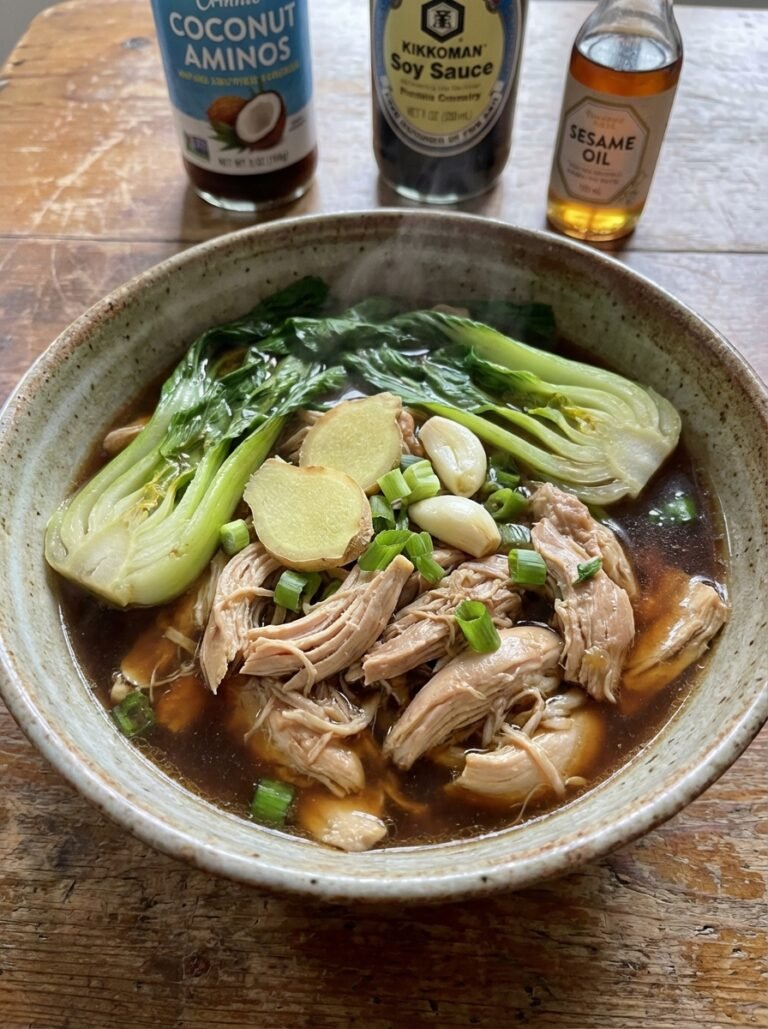
Keto Crockpot Chicken and Bok Choy Recipe
A keto-friendly slow cooker dish combining succulent chicken breasts with crisp bok choy in a savory garlic and ginger broth. Perfect for a low-carb, high-protein meal that’s easy to prepare and brimming with umami-rich flavors.
- Total Time: 255
- Yield: 4 servings 1x
Ingredients
4 boneless, skinless chicken breasts
2 cups bone broth
2 tablespoons coconut aminos
1 tablespoon tamari or soy sauce
2 tablespoons sesame oil
1 tablespoon minced fresh ginger
3 cloves garlic, minced
4 cups chopped bok choy
Coarse sea salt and black pepper
Optional: 2 green onions, thinly sliced for garnish
Instructions
Place chicken breasts at the bottom of a clean crockpot.
In a small pan, heat 1 tablespoon of sesame oil over medium heat. Add minced ginger and garlic, sauté until fragrant.
Pour the sautéed ginger-garlic mixture into the crockpot with bone broth and 1 tablespoon of sesame oil.
Stir in coconut aminos and tamari (or soy sauce) until blended.
Season chicken with salt and pepper.
Cook on low for 4 hours or high for 2.5 hours.
30 minutes before the timer ends, add chopped bok choy to the crockpot to retain its crunch.
Once cooked, remove chicken and slice it into cubes or strips.
Divide chicken and bok choy mixture into bowls and garnish with green onions if desired.
Notes
Ensure bone broth is not derived from pork and is gluten-free if needed for halal compliance.
For extra richness, add 1 tablespoon of butter before the final 30 minutes.
Bok choy can be substituted with other low-carb greens like chard or kale, added during the last 40 minutes.
Store leftovers in an airtight container in the fridge for up to 3 days.
Reheat on low heat to maintain tenderness without drying the chicken.
- Prep Time: 15
- Cook Time: 240
- Category: Dinner
- Method: Slow Cooking
- Cuisine: Asian-Inspired
- Diet: Keto
Nutrition
- Serving Size: 1 serving
- Calories: 250
- Sugar: 0g
- Sodium: 500mg
- Fat: 14g
- Saturated Fat: 2g
- Carbohydrates: 3g
- Fiber: 1g
- Protein: 30g
- Cholesterol: 80mg