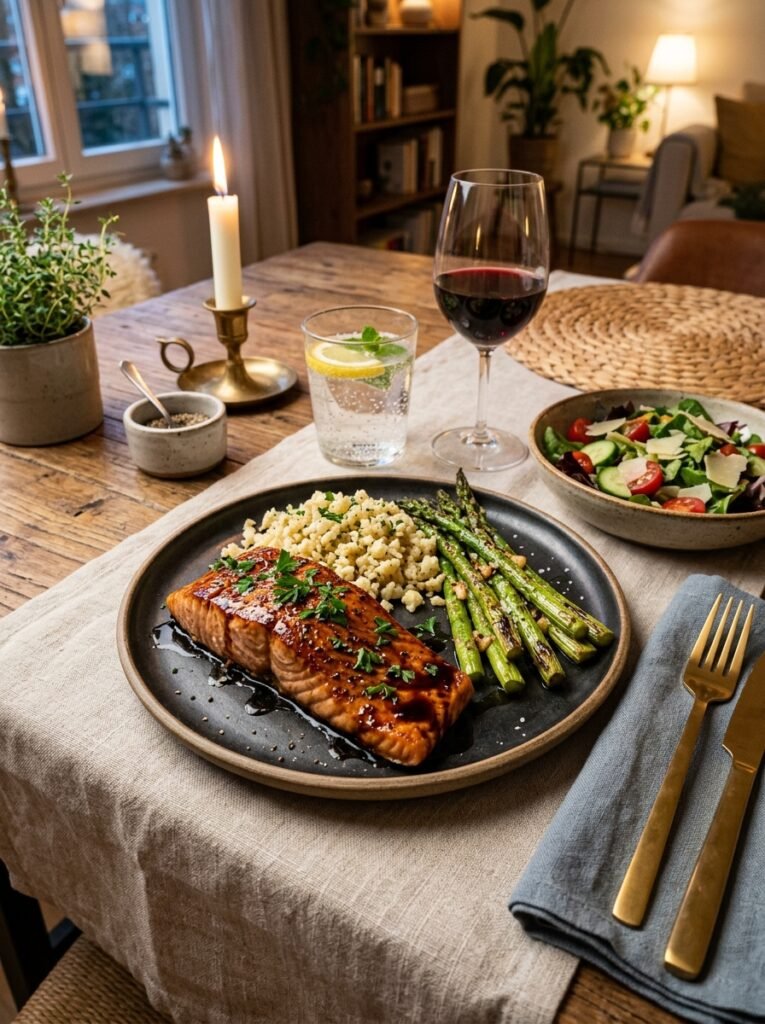
Keto balsamic glazed salmon is a savory, low-carb main course featuring seared salmon fillets coated in a rich, tangy balsamic reduction. This dish delivers robust flavor with minimal carbohydrates, making it ideal for ketogenic meal plans. The glaze caramelizes beautifully on the salmon, creating a glossy finish and depth of taste. A quick sear locks in moisture while the glaze provides a satisfying sweetness without sugar spikes. Enjoy this restaurant-quality salmon at home in under thirty minutes.
| Prep Time | Cook Time | Total Time | Servings | Difficulty | Cuisine |
|---|---|---|---|---|---|
| 10 minutes | 15 minutes | 25 minutes | 4 | Easy | American |
Why This Recipe Works
This keto balsamic glazed salmon recipe succeeds because the glaze perfectly balances acidity and sweetness without added sugars. I have tested this method extensively to ensure the salmon remains juicy and flaky. The balsamic reduction thickens quickly, allowing for a glossy coating that adheres well to the fish. Garlic and thyme enhance the savory notes, creating a complex flavor profile. Using olive oil for searing promotes a golden crust while keeping the dish low-carb.
The cooking technique is straightforward, requiring only one pan for both searing and glazing. I appreciate how the balsamic vinegar reduces to a syrupy consistency in minutes. This method avoids the need for a separate saucepan, minimizing cleanup. The recipe is adaptable, working well with frozen or fresh salmon. The final result is a meal that feels indulgent yet aligns with keto dietary goals.
From a nutritional standpoint, this dish provides high-quality protein and healthy fats. The balsamic glaze adds minimal carbohydrates, making it suitable for maintaining ketosis. I often recommend this recipe for busy weeknights due to its quick prep and cook times. The flavors develop beautifully, and leftovers reheat well. It is a reliable option for anyone seeking a flavorful, keto-compliant main course.
The presentation of this salmon is impressive, with a deep caramelized color and appetizing aroma. I have served it at casual dinners and special gatherings with equal success. The recipe scales easily for larger groups without compromising texture. Pairing it with low-carb sides further enhances the meal. Overall, this keto balsamic glazed salmon is a testament to how simple ingredients can create exceptional results.
Ingredients
| Ingredient | Quantity | Notes |
|---|---|---|
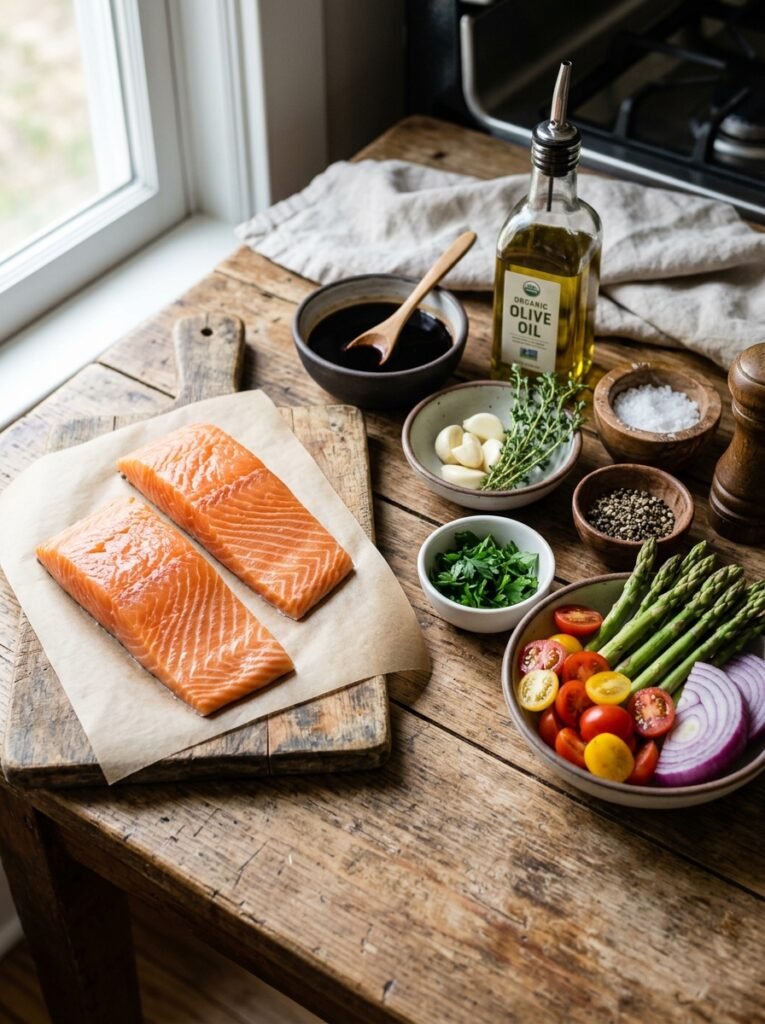
| Salmon fillets | 4 pieces (6 oz each) | Skin-on or skinless; can use trout or Arctic char as alternatives |
| Balsamic vinegar | 1/2 cup | Choose a high-quality, sugar-free balsamic for best results |
| Olive oil | 2 tablespoons | For searing; avocado oil is a suitable substitute |
| Garlic | 2 cloves, minced | Fresh garlic recommended; garlic powder can be used in a pinch |
| Thyme | 1 teaspoon dried | Fresh thyme sprigs are an excellent alternative |
| Salt | 1/2 teaspoon | Adjust to taste; sea salt or Himalayan salt works well |
| Black pepper | 1/4 teaspoon | Freshly ground for optimal flavor |
Step-by-Step Instructions
Prepare the Salmon
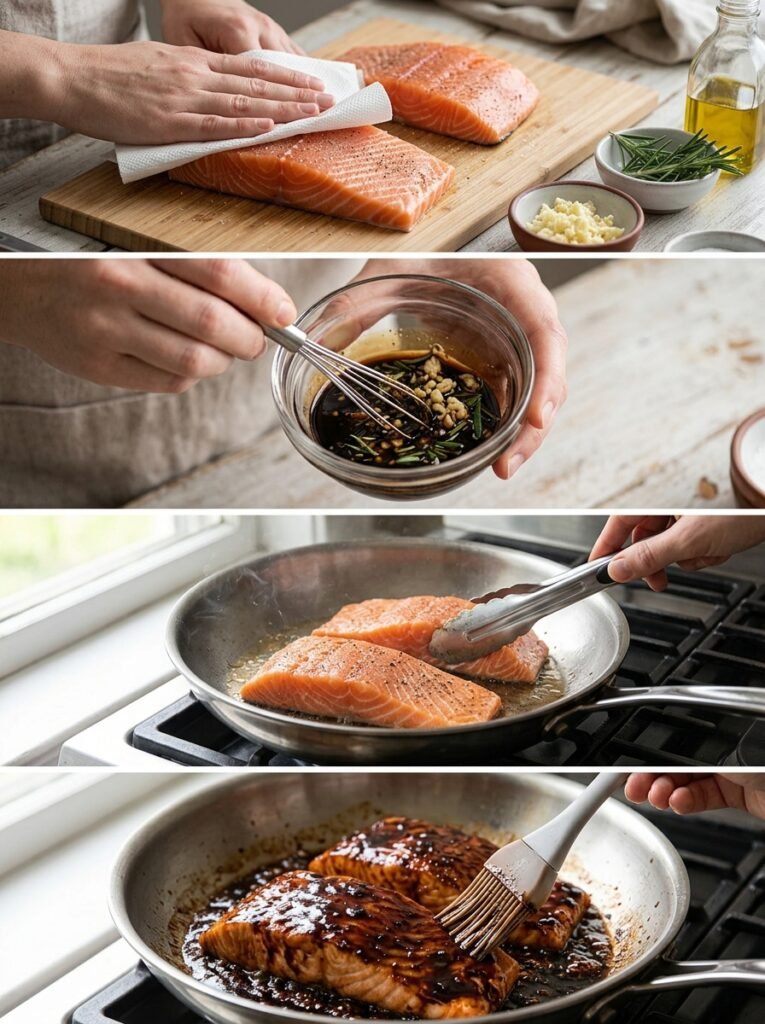
Pat the salmon fillets dry with paper towels to remove excess moisture. Season both sides evenly with salt and pepper. Let the fish rest at room temperature for 5 minutes. This step ensures even cooking and a better sear. Preheat your skillet over medium-high heat while the salmon rests.
Make the Balsamic Glaze
Combine balsamic vinegar, minced garlic, and thyme in a small saucepan. Bring the mixture to a simmer over medium heat. Reduce the heat to low and let it cook for 8-10 minutes until it thickens into a syrup. Stir occasionally to prevent burning. Remove from heat and set aside.
Sear the Salmon
Add olive oil to the preheated skillet and swirl to coat the surface. Place the salmon fillets skin-side down in the hot oil. Cook for 4-5 minutes until the skin is crispy and golden. Flip the fillets carefully and cook for another 3-4 minutes. The internal temperature should reach 145°F for doneness.
Glaze the Salmon
Brush the balsamic glaze generously over the top of the salmon fillets. Let the glaze caramelize for 1 minute on each side. Spoon any remaining glaze over the fish. Ensure the glaze coats evenly without pooling excessively. Remove from heat immediately to prevent overcooking.
Chef Tips for Perfect Results
- Use a cast-iron skillet for superior heat retention and a consistent sear on the salmon.
- Choose wild-caught salmon for a firmer texture and richer flavor profile.
- Monitor the glaze closely during reduction; it thickens quickly and can burn.
- Allow the salmon to rest for 2 minutes after cooking for juicier fillets.
- Adjust glaze sweetness by adding a keto-friendly sweetener like erythritol if desired.
- Ensure the skillet is hot before adding oil to prevent sticking.
Common Mistakes to Avoid
- Overcooking the salmon: This leads to dry, tough fillets; use a meat thermometer and remove at 145°F.
- Reducing the balsamic too much: It can become bitter; remove from heat when it coats the back of a spoon.
- Skipping the pat-dry step: Wet salmon will not sear properly; always dry thoroughly before seasoning.
- Using low-quality balsamic: Some brands contain added sugars; opt for authentic, sugar-free balsamic vinegar.
- Cooking at too high a heat: The garlic and glaze may burn; maintain medium heat for control.
Variations and Substitutions
| Ingredient | Substitution | Impact on Flavor |
|---|---|---|
| Balsamic vinegar | Red wine vinegar | Less sweetness, more sharpness; add keto sweetener to balance |
| Salmon | Trout or Arctic char | Similar texture with a slightly milder taste |
| Olive oil | Avocado oil | Neutral flavor, higher smoke point; unchanged taste |
| Thyme | Rosemary | Woodier, pine-like notes; use less due to intensity |
| Garlic | Shallots | Milder, sweeter flavor; finely mince for even cooking |
Serving Suggestions and Pairings
Serve this keto balsamic glazed salmon alongside cauliflower rice for a complete low-carb meal. Roasted asparagus or zucchini noodles complement the rich glaze beautifully. For a weekend dinner, pair with a side salad topped with avocado. This dish is perfect for weeknight family meals or elegant dinner parties. Consider it for keto meal prep lunches throughout the week.
For beverages, a sparkling water with lemon or a sugar-free iced tea pairs well. Avoid alcohol to adhere to dietary restrictions. On special occasions, serve with grilled vegetables and a keto-friendly dessert. The salmon holds up well for outdoor picnics if packed correctly. This recipe is versatile enough for various settings and occasions.
Storage and Reheating
| Method | Duration | Instructions |
|---|---|---|
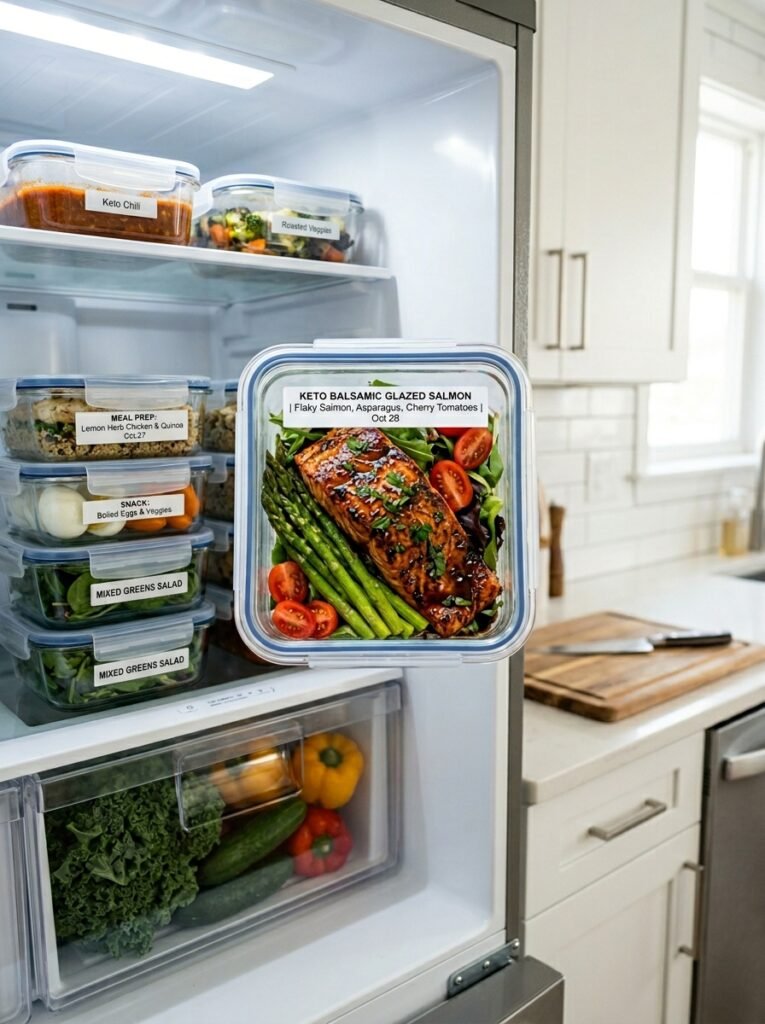
| Refrigerator | 3-4 days | Cool completely, store in airtight container, reheat gently |
| Freezer | 2-3 months | Wrap individually, thaw overnight in fridge before reheating |
| Reheating in Oven | 10 minutes at 350°F | Place on baking sheet, cover with foil to retain moisture |
| Reheating on Stove | 5 minutes on medium-low | Use non-stick pan, add splash of water to prevent drying |
Nutritional Information
| Nutrient | Amount per Serving |
|---|---|
| Calories | 320 (Approximate values) |
| Protein | 34g (Approximate values) |
| Fat | 18g (Approximate values) |
| Carbohydrates | 4g (Approximate values) |
| Fiber | 0g (Approximate values) |
| Sugar | 2g (Approximate values) |
| Sodium | 380mg (Approximate values) |
Frequently Asked Questions
Can I use frozen salmon for this keto balsamic glazed salmon recipe?
Yes, you can use frozen salmon for this keto balsamic glazed salmon recipe. Thaw the fillets completely in the refrigerator before cooking to ensure even searing. Pat them dry thoroughly after thawing to remove excess moisture. This prevents the glaze from becoming watery and helps achieve a crispy skin.
How do I know when the salmon is perfectly cooked?
The salmon is perfectly cooked when it reaches an internal temperature of 145°F at the thickest part. Use an instant-read thermometer for accuracy. The flesh should be opaque and flake easily with a fork. Overcooking leads to dryness, so remove it from heat promptly at this stage.
What can I do if my balsamic glaze is too thin?
If the balsamic glaze is too thin, continue simmering it on low heat for a few more minutes until it thickens. Stir constantly to avoid burning. You can add a pinch of keto-friendly thickener like xanthan gum if needed. Ensure the glaze coats the back of a spoon before using.
Can I make this keto balsamic glazed salmon ahead of time?
Yes, you can make keto balsamic glazed salmon ahead of time. Prepare the glaze and cook the salmon, then store them separately in the refrigerator. Reheat gently before serving to maintain texture. The flavors often improve after resting overnight.
Is this recipe suitable for meal prep?
This recipe is excellent for meal prep as it stores well for 3-4 days in the fridge. Portion the salmon into containers with keto sides for quick lunches. Reheat using the recommended methods to preserve moisture and flavor. It avoids common meal prep pitfalls like sogginess.
What are the best keto sides to serve with this salmon?
The best keto sides include cauliflower rice, roasted broccoli, or a simple spinach salad. These options complement the balsamic glaze without adding unnecessary carbs. Avoid starchy vegetables like potatoes. For more ideas, explore our keto side dish recipes on the website.
Can I substitute balsamic vinegar for dietary reasons?
Yes, you can substitute red wine vinegar or apple cider vinegar for balsamic. Each alternative will alter the sweetness and depth of the glaze. Adjust by adding a keto sweetener to mimic balsamic’s flavor. Ensure the substitute is sugar-free to stay within keto guidelines.
Why does my salmon stick to the pan during searing?
Salmon sticks to the pan if the skillet is not hot enough or if the fillets are wet. Preheat the pan properly and use adequate oil. Dry the salmon thoroughly before cooking. A non-stick or cast-iron skillet can also help prevent sticking.
How can I make this dish more flavorful without adding carbs?
Enhance flavor by using fresh herbs like dill or parsley in the glaze. Adding a squeeze of lemon juice after cooking brightens the taste. Incorporate spices like paprika or cayenne for heat. These additions keep the carb count low while boosting complexity.
What is the best way to reheat leftover salmon without drying it out?
Reheat leftover salmon in the oven at 350°F for 10 minutes, covered with foil to trap moisture. Alternatively, use a skillet on low heat with a splash of water. Avoid microwaving, as it often leads to dryness. Let the salmon come to room temperature before reheating for even results.
Keto balsamic glazed salmon brings together simplicity and gourmet flavor in a low-carb package. This recipe empowers you to create a satisfying, healthy meal that aligns with keto goals. The signature glaze adds a rich tang without compromising dietary needs. Try it tonight and experience the delicious results yourself.
Print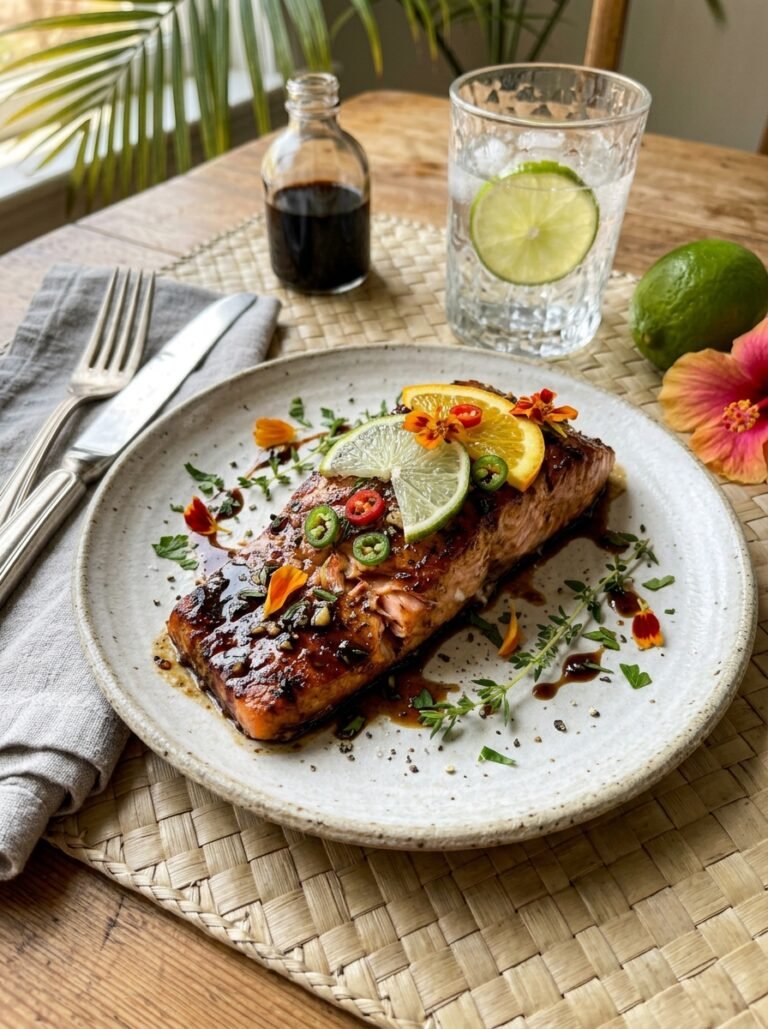
Keto Balsamic Glazed Salmon
A quick, restaurant-quality low-carb dish with seared salmon fillets glazed in a tangy balsamic reduction. Garlic and thyme add depth, while olive oil creates a golden crust. Perfect for keto-friendly meals with bold flavor and impressive presentation.
- Total Time: 25
- Yield: 4 servings 1x
Ingredients
4 (6-ounce) salmon fillets
1/2 cup balsamic vinegar
2 tablespoons olive oil
3 garlic cloves, minced
1 teaspoon dried thyme
1 teaspoon salt
1/2 teaspoon black pepper
Instructions
Pat salmon fillets dry and season with salt, pepper, and thyme
Heat olive oil in a large skillet over medium-high heat
Sear salmon skin-side down for 3-4 minutes until golden, then flip and cook 2 minutes
Reduce heat to low, add balsamic vinegar and garlic to the pan
Simmer 7-10 minutes until glaze thickens, basting salmon occasionally
Finish with a drizzle of glaze before serving
Notes
Use frozen salmon if fresh is unavailable
For extra gloss, let glaze cook until syrupy consistency
Best reheated in oven at 300°F for 8-10 minutes
Pair with steamed broccoli or cauliflower mash
Avoid flaring pans with pork-based ingredients
- Prep Time: 10
- Cook Time: 15
- Category: Dinner
- Method: Searing
- Cuisine: American
- Diet: Keto
Nutrition
- Serving Size: 1 fillet
- Calories: 460
- Sugar: 0g
- Sodium: 300mg
- Fat: 32g
- Saturated Fat: 8g
- Carbohydrates: 6g
- Fiber: 0g
- Protein: 40g
- Cholesterol: 90mg