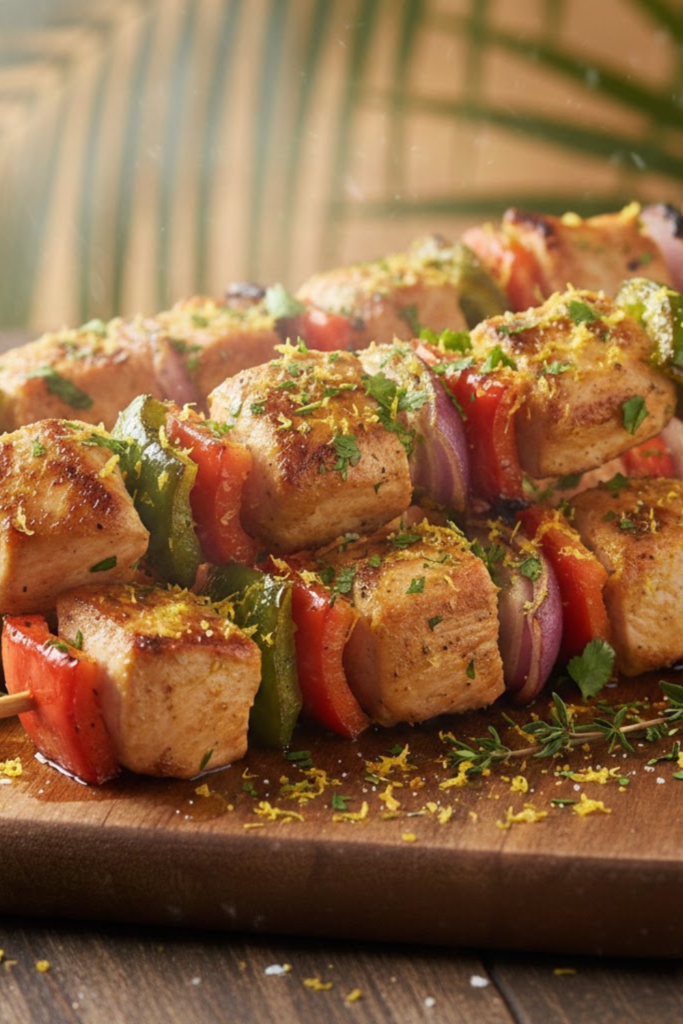
Start with a sizzle—literally! There is nothing quite like the sound of marinade hitting a hot grill to get your stomach growling. Did you know that grilling is one of the healthiest cooking methods, preserving essential riboflavin and thiamine in meat? Yet, so many BBQ sauces are secretly sugar bombs waiting to kick you out of ketosis. Not this one!
I remember my first summer on keto; I felt like I was dodging landmines at every cookout. “Is there sugar in that rub?” “Did you glaze this?” It was exhausting! That’s why I developed this foolproof Keto chicken and pepper skewers recipe. It’s vibrant, it’s smoky, and honestly, it’s so good you won’t even miss the sugary glazes. Whether you are a seasoned pitmaster or just trying to survive a family gathering without breaking your diet, this dish is your new best friend. Let’s get grilling!
Choosing the Best Chicken for Kabobs
I used to be a total chicken breast purist. You know the type—afraid of any visible fat, thinking lean meant healthy. Boy, was I wrong. My first attempt at making keto chicken and pepper skewers years ago ended up being a disaster. I invited my neighbors over, threw some expensive organic chicken breasts on the grill, and watched them turn into dry, rubbery chunks that were hard to swallow.
I was mortified. We ended up drowning them in ranch dressing just to get them down.
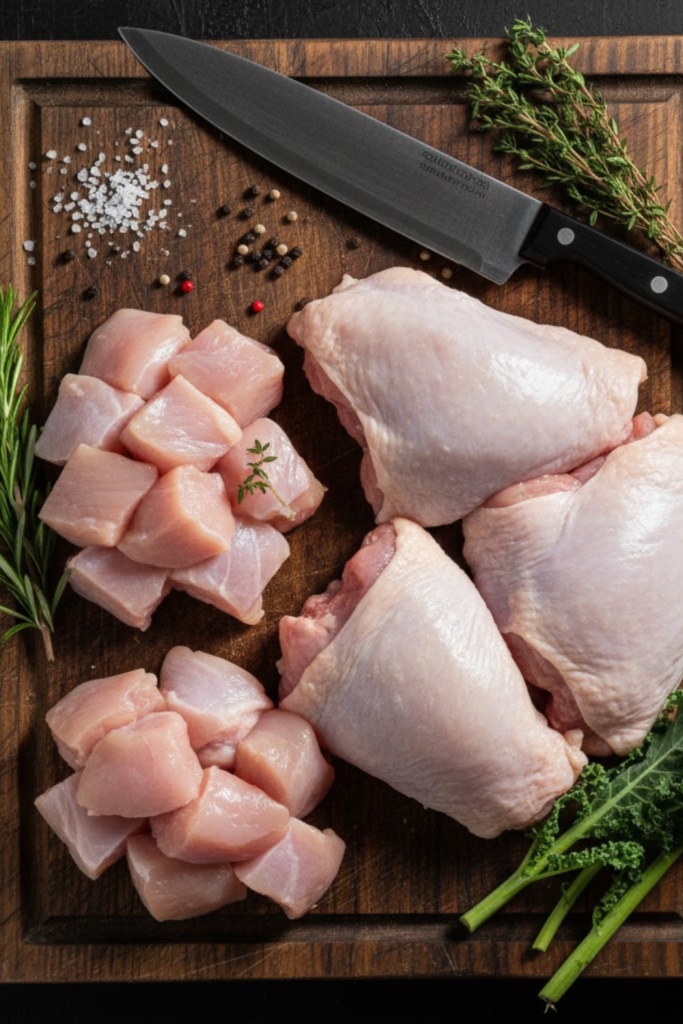
Thighs Save Lives (and Dinner)
If there is one thing I have learned from embarrassing BBQ fails, it’s this: chicken thighs are your best friend. especially on a keto diet.
Thigh meat has a higher fat content than breast meat. This is exactly what you want. That extra fat renders down while grilling, basting the meat from the inside out. It keeps everything juicy even if you get distracted talking to a guest and leave them on the heat a minute too long.
If you absolutely insist on using chicken breasts, you have to be careful. They have zero forgiveness. You look away for ten seconds, and they dry out. If I have to use breasts, I usually brine them in salt water for 30 minutes first. But honestly? Just buy the boneless, skinless thighs. They taste better and hold up to the high heat of a grill way better.
The Art of the Cut
Another mistake I made early on was hacking the meat into random sizes. I’d have these massive chunks next to tiny little slivers on the same stick.
Guess what happened? The little guys turned to charcoal before the big chunks were even cooked through.
You have to be a little obsessive about cutting your meat into uniform 1-inch cubes. It doesn’t have to be perfect—I’m not getting a ruler out or anything—but try to keep them consistent. This helps everything cook at the exact same speed. Plus, 1-inch cubes are the perfect bite size so you aren’t fighting the skewer at the dinner table.
Watch Out for “Plumped” Chicken
Here is a tip that took me years to figure out. A lot of the cheaper chicken at the grocery store is “plumped” or injected with a saline solution. It can be up to 15% salt water!
When you put that wet chicken on a hot grill, the water comes out and steams the meat. You don’t get that nice, brown char; you get grey, sad-looking meat.
I try to look for “air-chilled” chicken when I can find it. It costs a buck or two more, but the difference in flavor is huge. The meat sears immediately because it isn’t fighting off a bunch of excess water. Your keto chicken and pepper skewers will actually taste like BBQ, not boiled meat. Trust me, it’s worth the extra couple of dollars.
Low-Carb Vegetables That Hold Up on the Grill
Vegetables are where a lot of people get confused on keto. You think, “It’s a vegetable, it must be fine,” right? Well, not always. Corn and potatoes are obviously out, but even things like sweet onions can add up if you aren’t paying attention.
For these skewers, you need veggies that are low in carbs but tough enough to handle high heat. There is nothing sadder than a mushy vegetable falling off the stick into the charcoal. I’ve sacrificed way too many good zucchini slices to the grill gods over the years.
The Bell Pepper Debate
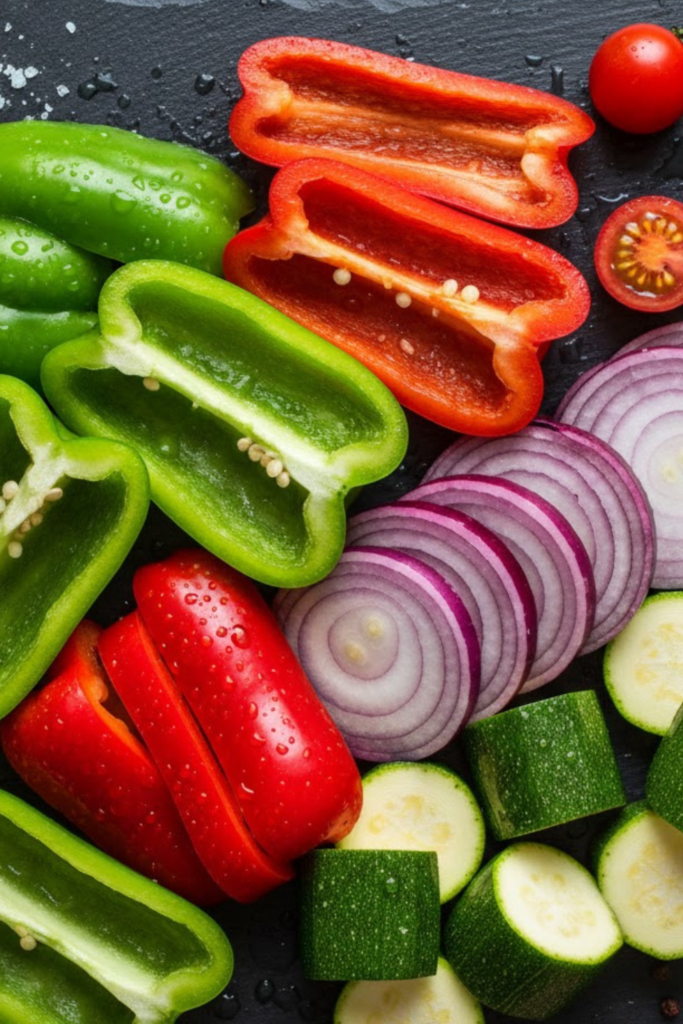
I used to just grab whatever peppers were on sale. Usually the green ones because they are cheap. It turns out, that was actually a good move for my diet. Green bell peppers have fewer carbs than the red, orange, or yellow ones. The colored ones are riper, which makes them sweeter and higher in natural sugar.
However, I still use a mix. The green ones can be a little bitter, and having that pop of red or yellow makes the food look so much more appetizing. We eat with our eyes first, after all. I usually do a ratio of two green pieces for every one red piece. They are sturdy, crunchy, and they don’t get soggy fast.
Onions and Other Options
I love charred onions. That crispy edge is the best part of the skewer for me. But onions are surprisingly high in sugar. I use red onions because they have a strong flavor, so you don’t need a huge piece to get the taste. I peel the layers apart and just use two or three “petals” per skewer.
If you hate onions or want to save those carbs, zucchini is a solid backup. But here is the trick: do not cut them into thin coins. I made that mistake once and they turned into mushy circles that spun around on the skewer and eventually fell off. You have to cut them into thick chunks, almost like the chicken cubes. Cherry tomatoes are okay too, but they get like little lava bombs inside, so be careful when you bite into them!
Size Matters (Again)
I know I harped on this with the chicken, but it matters for the veggies too. If your pepper chunks are giant and your chicken is small, the chicken will be dry as a bone before the peppers are even warm.
I try to cut my peppers and onions into squares that are roughly the same width as my meat. It makes threading them onto the stick easier, too. When everything is the same size, the edges touch the grill grate evenly, and you get those nice char marks on everything, not just the big pieces.
The Secret to a Flavor-Packed Keto Marinade
If you walk down the condiment aisle at the grocery store, it is practically a minefield for keto. I used to just grab a bottle of “zesty Italian” or some BBQ marinade and call it a day. Then I actually looked at the label.
Sugar. Corn syrup. Modified food starch. It was all junk!
Making your own marinade is honestly the only way to be safe. Plus, it takes like two minutes. You don’t need to be a chef to throw some stuff in a jar and shake it.
The Oil Base
Since we are doing keto, we want fat. Good fat. I usually use olive oil, but not the super expensive stuff since it’s going on the grill. The oil does two things: it keeps the chicken from sticking to the metal grates (which is a nightmare to clean), and it helps the spices stick to the meat.
Sometimes I use avocado oil if I have it. It handles high heat really well, so it doesn’t smoke as much as olive oil. If you have ever set off your smoke detector while cooking dinner, you know why that matters!
Acid is Your Friend
You need an acid to break down the meat fibers. This is what makes the chicken tender instead of chewy.
I love using fresh lemon juice. It tastes bright and summer-y. If I don’t have lemons, I’ll use apple cider vinegar. You don’t need a ton—maybe two tablespoons for a pound of meat. If you use too much, the texture gets weird and mushy, so measure this part.
Ditch the Packets
Please, stop buying those little paper packets of taco seasoning or ranch mix. They almost always have maltodextrin or cornstarch as a filler. That’s hidden carbs!
I make a simple rub that works on everything. Here is what I throw in a bowl:
- Smoked Paprika: This gives it that “grilled” flavor even if you aren’t using charcoal.
- Garlic Powder: Because garlic makes everything better.
- Dried Oregano: For that herbal taste.
- Cumin: Just a pinch adds a nice warmth.
- Salt and Pepper: Obviously.
I mix the oil, lemon juice, and spices in a big Ziploc bag, throw the chicken cubes in, and squish it all around. Let it sit in the fridge for at least an hour. If you can do it before work in the morning, even better. The longer it sits, the better it tastes. Just don’t go over 24 hours or the lemon juice starts to ruin the meat texture.

Skewer Preparation: Wood vs. Metal
Once your chicken is sitting in that marinade, you have to decide what you’re going to poke it with. I’ve used both wood and metal over the years, and they both have their quirks. If you are just starting out, don’t feel like you have to go buy fancy equipment.
The Soaking Rule
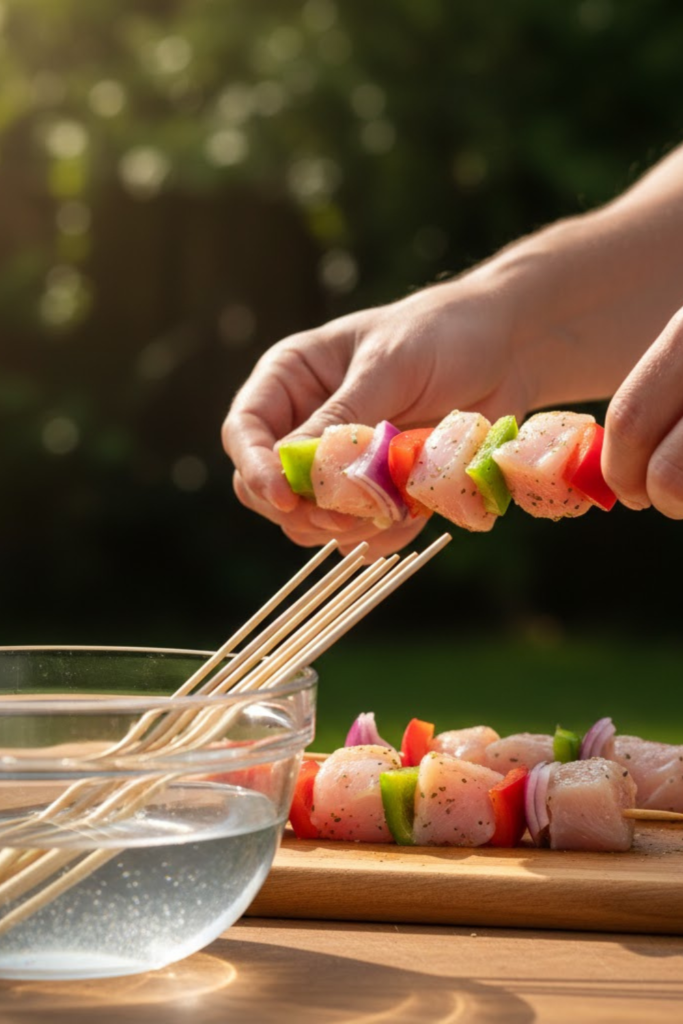
If you use bamboo or wooden skewers, you have to soak them in water. I cannot stress this enough. My first time grilling, I just grabbed the sticks out of the bag and threaded the meat on. Within five minutes, the ends of the sticks were on fire. It looked like I was holding little torches!
Now, I put my wooden skewers in a tall glass of water or a shallow baking dish for at least 30 minutes before I start. This keeps them from turning to ash the second they hit the heat. It’s an extra step, but it saves you from picking splinters out of your keto chicken and pepper skewers.
The Case for Metal
If you plan on grilling a lot, metal skewers are a great investment. They don’t burn, obviously, but they also help cook the meat from the inside. Since the metal gets hot, it transfers heat to the middle of the chicken cube.
The only downside? They get incredibly hot. I’ve definitely burned my fingers trying to flip them without a mitt. Also, some metal skewers are round, which means the food just spins around when you try to turn them. Look for the flat or square ones; they actually grab the food so it flips when you want it to.
Don’t Crowd the Stick
When it comes to actually threading the food, my biggest tip is to give it some breathing room. I used to jam as much as possible onto one stick to save space. Big mistake.
If the pieces are squeezed too tight, the heat can’t get in between them. You’ll end up with burnt edges and raw meat where the chicken touches the peppers. Leave a tiny bit of space—maybe just a hair—between each piece. This lets the hot air circulate and gives you that perfect, even cook. I usually go: chicken, pepper, onion, chicken, pepper, onion. It looks great and tastes even better.
Grilling to Perfection: Time and Temperature
I’ll be the first to admit it—I used to be a “look at it and guess” kind of griller. I figured if the outside looked brown and crispy, the inside must be done. That led to a lot of awkward dinners where I had to microwave the keto chicken and pepper skewers after we already sat down because the middle was still pink.
Now, I don’t take any chances. If you want juicy chicken that won’t make anyone sick, you need a plan for the heat.
Setting the Stage
I usually aim for medium-high heat. If you have a thermometer on your grill lid, you’re looking for about 400°F. If you don’t have a gauge, use the hand test: hold your palm about five inches above the grate. If you have to pull it away after 3 or 4 seconds, you’re in the sweet spot.
I also leave one side of the grill off or on low. This is my “safety zone.” If the fat from the chicken starts causing big flare-ups (which happens a lot with thighs!), I just move the skewers to the cool side for a minute until the flames die down. This keeps them from tasting like soot.
The Rotation Schedule
Don’t just throw them on and walk away to grab a drink. You need to stay close. I set a timer on my phone for 3 minutes. After 3 minutes, I give them a quarter turn. I do this four times so every side gets some love from the grate.
Total cooking time is usually around 12 to 15 minutes. The peppers will get those beautiful black charred edges, and the onions will start to look translucent. That’s exactly what you want.
Use a Thermometer
This is the best $15 I ever spent on my kitchen. I don’t care how experienced you are; use a digital meat thermometer. I poke it into the thickest piece of chicken on the skewer. You are looking for 165°F (74°C).
As soon as it hits 160°F, I pull them off and put them on a plate. The temperature will keep rising a few degrees while they rest—this is called carry-over cooking. If you wait until they are 170°F on the grill, they’ll be dry by the time you eat them. Let them rest for 5 minutes under a piece of foil. It’s the hardest part of the recipe because they smell so good, but it makes the meat way juicier.

Serving Suggestions and Keto Side Dishes
After you have spent all that time hovering over a hot grill, the last thing you want to do is ruin your hard work with a boring side dish. I’ve learned that the right pairing can turn keto chicken and pepper skewers from a simple snack into a full-on feast that even your non-keto friends will inhale.
The Best Dipping Sauces
Chicken can sometimes feel a little “one-note” if you don’t have a sauce. Since we aren’t using sugary BBQ glazes, I like to make a quick garlic aioli. It’s basically just mayo, smashed garlic, and a squeeze of lemon. It adds that healthy fat we need on keto and tastes like something you’d get at a fancy bistro.
If you want something lighter, a cucumber tzatziki is amazing. The cold yogurt and dill contrast perfectly with the smoky, charred chicken. Just make sure you use full-fat Greek yogurt to keep those macros in check!
What to Put Under the Skewers
In my pre-keto days, I would have dumped these over a massive pile of white rice. Now, I use cauliflower rice. I usually sauté it in a pan with a little butter and lime juice while the chicken is resting. It soaks up all the juices that run off the meat, and honestly, once it’s mixed with the grilled peppers, you barely notice it isn’t “real” rice.
If I’m feeling lazy, I just throw a bag of mixed greens in a bowl with some feta cheese and olives. The skewers sit right on top, and the heat from the chicken wilts the spinach just a little bit. It’s a 2-minute salad that feels way more expensive than it is.
Meal Prep and Leftovers
I almost always double the recipe because these skewers are even better the next day. I slide the meat and veggies off the sticks and put them into glass containers.
When you go to reheat them, don’t use the microwave on high for three minutes. That’s how you get rubbery chicken. I usually put them in a pan on the stove with a splash of water and a lid for just a few minutes. It steams them back to life without drying them out. They are perfect for a quick lunch at work when everyone else is eating soggy sandwiches.
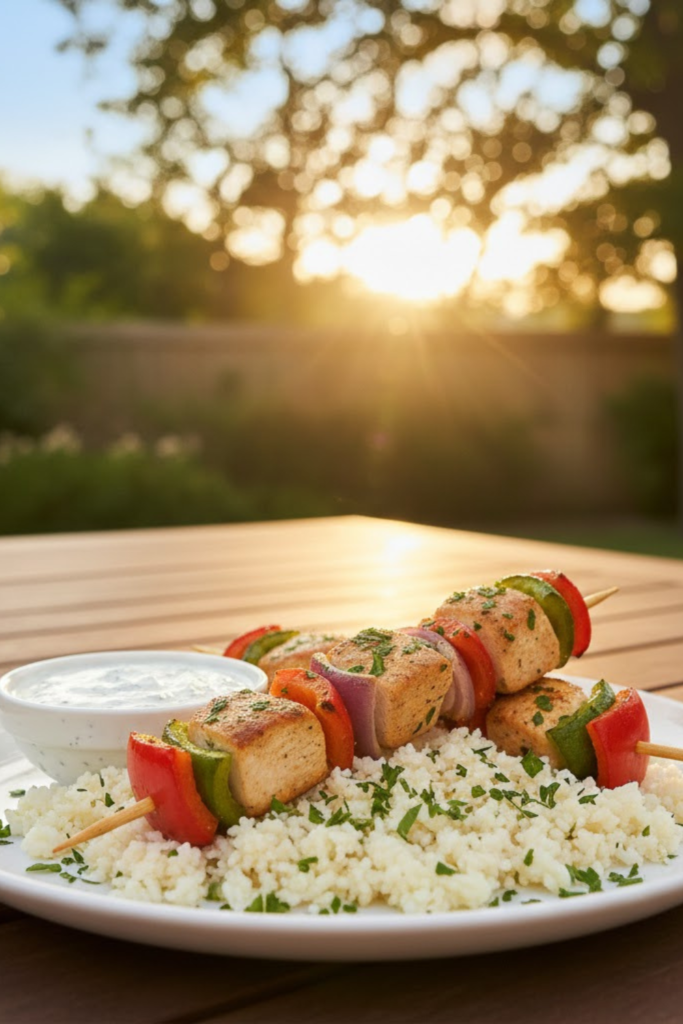
These keto chicken and pepper skewers are proof that low-carb eating doesn’t have to mean low flavor. With the right marinade and a hot grill, you can create a meal that is healthy, colorful, and absolutely delicious. Don’t let diet restrictions keep you from enjoying the barbecue season to the fullest!
Ready to be the hero of your next cookout? Save this pin to your “Keto Grilling” board on Pinterest so you never lose this recipe!