I bet you didn’t know that nearly 70% of people on a low-carb diet say they miss traditional desserts more than anything else! Honestly, I was one of those people for a long time. I spent way too many weekends trying to find a Keto lemon pound cake that didn’t taste like a dry sponge. It was frustrating! But after a ton of trial and error in my own kitchen, I finally found the magic formula for a cake that is actually JUICY. You don’t have to give up your favorites just to stay in ketosis. This recipe uses simple ingredients like almond flour and fresh citrus to give you that classic “pound cake” feel without the sugar crash.
Essential Ingredients for a Moist Keto Crumb
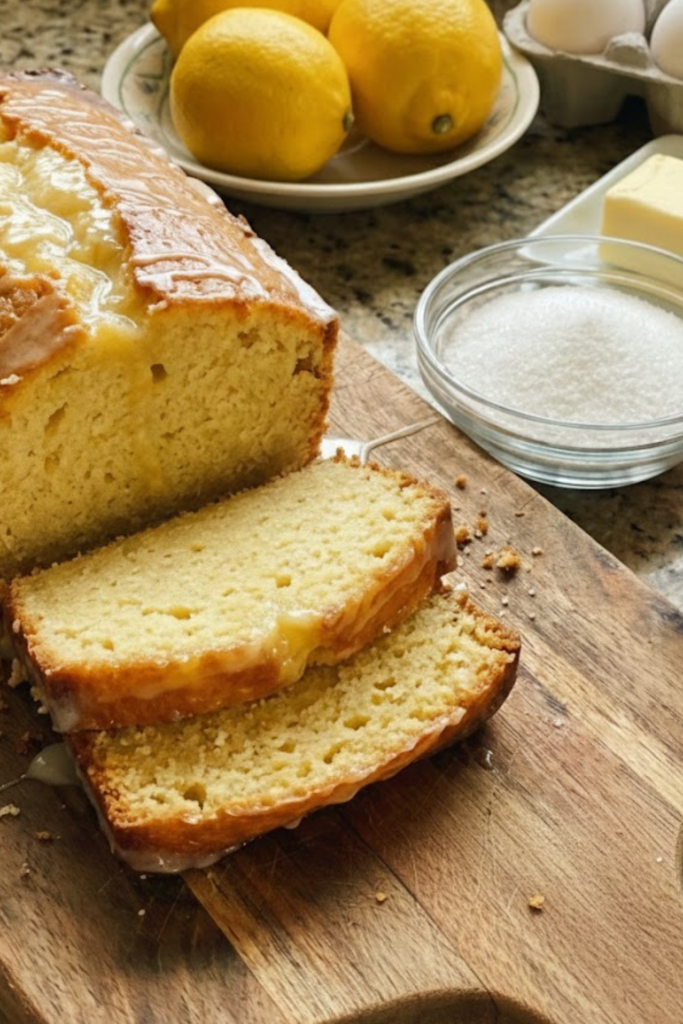
I’ve taught many cooking classes over the years, and the biggest question I get is always about the ingredients. When you’re making a Keto lemon pound cake, you can’t just swap sugar for any old sweetener and hope for the best. You need the right mix to get that perfect texture. I use a lot of superfine almond flour because it’s the best base. But here is my little secret: add a tablespoon or two of coconut flour. Almond flour alone can be a bit heavy, but coconut flour sucks up extra moisture and gives the cake that light, “cakey” feel we all want.
Now, let’s talk about sweeteners. I’ve tried them all. Erythritol is okay, but it can have that weird “cooling” feeling in your mouth that some people hate. I usually go for a blend of monk fruit and allulose. Allulose is great because it helps the cake brown better in the oven, just like real sugar does. It makes the edges look so much better.
You also need fat. Lots of it. I use unsalted butter and a big dollop of sour cream. The sour cream is what keeps the cake moist for days. Without it, you’re basically eating a dry sponge, and nobody wants that! And please, use real lemons. I once tried using that bottled juice from the little green plastic lemon—don’t do that. It tasted like floor cleaner. Grate the yellow part of the skin, the zest, right into the batter. That’s where all the real flavor lives. These simple items are the reason this cake tastes so good.
I also always keep a little bag of xanthan gum in my pantry. It sounds like a science experiment, but it’s just a natural binder that helps the Keto lemon pound cake stay together. Without it, your cake might just crumble into a million pieces the moment you try to lift a slice with your fork. Also, don’t forget a pinch of salt. It sounds crazy to add salt to a dessert, but it actually makes the lemon and the sweetener taste way more like the real thing. I also like to add a tiny bit of pure vanilla extract. Even though this is a lemon cake, the vanilla adds a depth of flavor that makes people wonder what your secret ingredient is. Just make sure your baking powder is fresh, too. If that little tin has been sitting in your cupboard for three years, your cake is going to be as flat as a pancake! It’s these little things that turn an “okay” cake into something everyone asks for the recipe for.

My Biggest Keto Baking Fails (And How to Avoid Them)
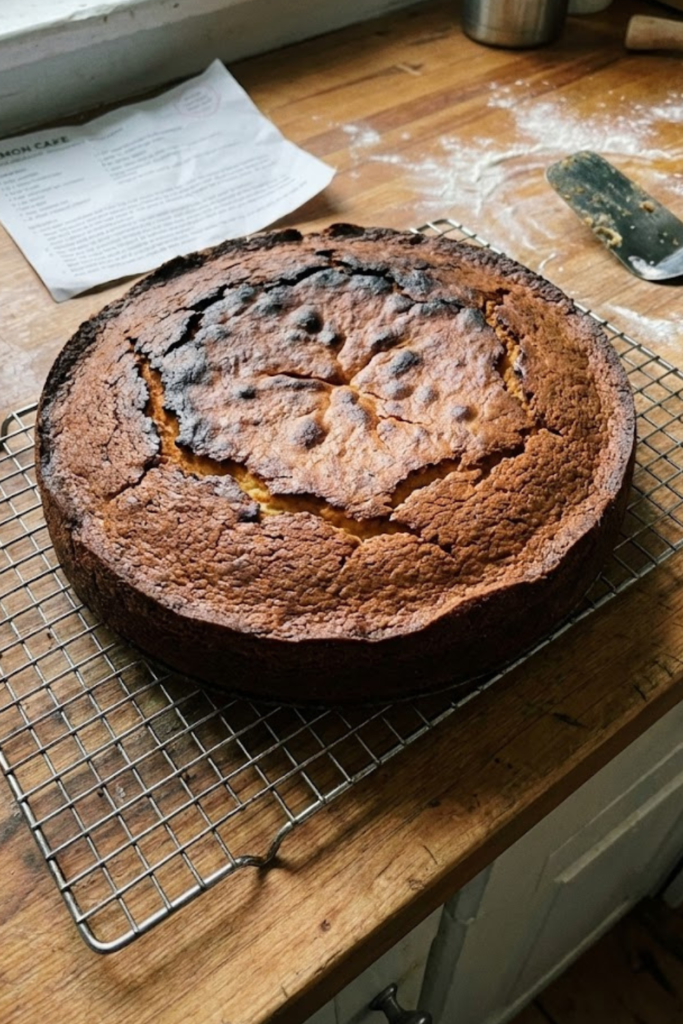
I’ve been a teacher for about twenty years now, and I always tell my students that making mistakes is just part of the lesson. Believe me, I’ve had plenty of “lessons” while trying to master this Keto lemon pound cake. There was one time I invited a friend over for tea, and I was so proud of the cake I’d made. But when I went to slice it, the middle was completely raw! It just oozed out like lemon soup. I was so embarrassed I wanted to hide under the kitchen table.
One of the most common mistakes is overmixing the batter. Because we aren’t using wheat flour, you might think you need to beat the dough really hard. But if you do that, you’ll end up with a cake that is as heavy as a lead weight. You want to stir it just enough so the white streaks of flour disappear. Think of it like a gentle nudge rather than a big push. If you are too rough with it, the texture just won’t be right.
Another trick I learned is about the temperature of your eggs. I used to be very impatient and grab them straight from the refrigerator. That’s a big no-no! Cold eggs make the melted butter get chunky again, and you won’t get that smooth, velvety crumb. Now, I always let them sit on the counter for an hour. If you’re in a hurry, you can put them in a bowl of warm water for a bit. Also, don’t keep opening the oven door to see how it’s doing. Every time you open it, the temperature drops and your cake might fall flat in the middle. Just trust the timer and let it do its thing!
Step-by-Step Instructions for the Zesty Glaze
The glaze is the best part of any Keto lemon pound cake, if you ask me. It’s what gives it that extra punch of sour and sweet that makes your mouth water. I remember one time I tried to make a glaze by just mixing lemon juice and regular granulated sweetener. It was a disaster! The sweetener didn’t melt at all, so the cake felt like it had sand on top of it. My husband was very polite about it, but he definitely didn’t ask for a second slice.
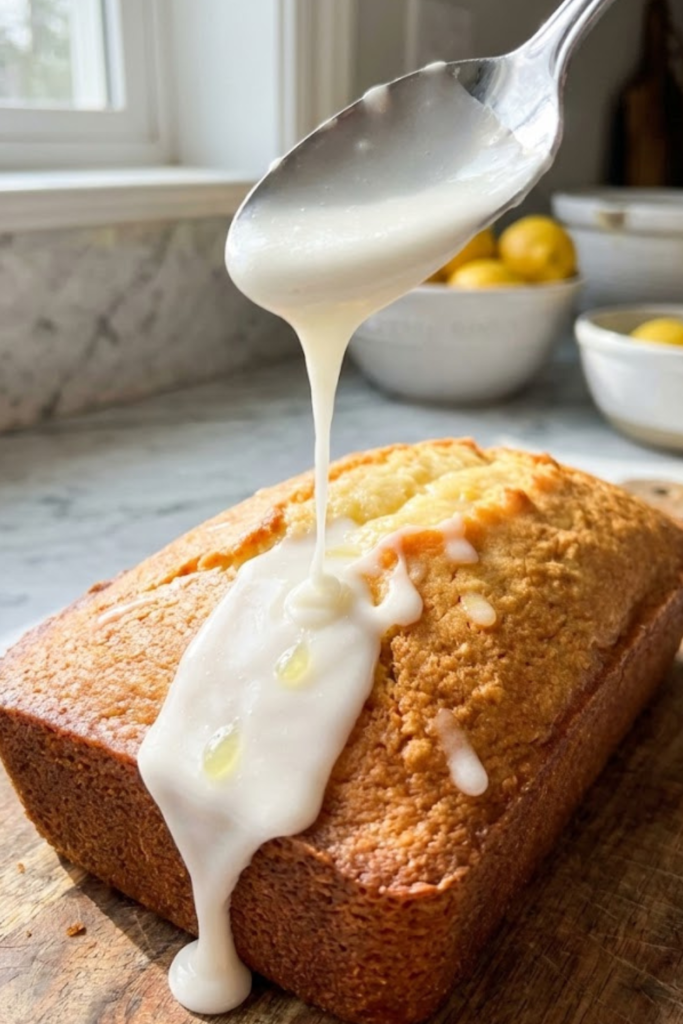
To get a glaze that looks like the ones in the fancy bakery windows, you have to use a powdered sweetener. I usually take my monk fruit and give it a quick spin in the blender until it looks like dust. Then, you mix it with fresh lemon juice and a tiny splash of heavy cream. The cream is my little trick for making the glaze thick and white instead of clear and runny. You want it to sit on top of the cake, not just soak into the crumbs.
Another tip I give my friends is to wait until the cake is completely cold before you pour the glaze on. I know it’s hard to wait—trust me, I’m a very impatient person—but if the cake is even a little bit warm, the glaze will just melt away. If you want to change things up, you can add a few poppy seeds to the glaze or even a drop of vanilla extract. It makes the Keto lemon pound cake look so professional, like you spent hours on it when it really only took a couple minutes. Just whisk it until it’s smooth and pour it over. It’s so satisfying to watch it drip down the sides!
If you find your glaze is too thick to pour, just add a tiny bit more lemon juice, like a half-teaspoon at a time. It’s easy to make it too runny if you get carried away with the liquid, so go slow! If you do make it too thin, just add a bit more of that powdered sweetener to fix it. I usually taste it with a little finger-dip before I pour it over the Keto lemon pound cake. Sometimes I like it extra sour, so I’ll add more zest right into the glaze too. Once it’s on the cake, give it about fifteen minutes to set before you try to move it. This helps the glaze stay put instead of sliding off onto your serving plate. If you have leftovers, keep them in the fridge; the glaze actually gets a little bit firmer and tastes even better the next day!
Wrapping things up, making a Keto lemon pound cake is really all about finding that balance between the citrus zing and the right low-carb flours. I know it can feel a bit weird at first to swap out your regular sugar and wheat, but once you take that first bite of a moist, zesty slice, you won’t even care. Just keep in mind those tips about using room temperature eggs and not overworking your batter. If I can learn how to do it after all those kitchen disasters I had, you definitely can too! It’s such a treat to have something sweet that doesn’t make you feel sluggish or ruin your diet goals.
I really hope this recipe brings a little bit of sunshine to your kitchen. If you end up making this Keto lemon pound cake, I’d love to hear how it turned out for you! Did you add poppy seeds or stick to the classic version? Either way, please share this recipe on Pinterest so your friends can find a great sugar-free dessert option too. Happy baking, and don’t forget to lick the spoon—since there’s no sugar, it’s basically a health food, right? (Okay, maybe not quite, but we can pretend!)